3D Printing High-Performance Plastics Market Driven by Surging Integration Of 3D Printing in Numerous Industries

The major drivers in the global 3D printing high-performance plastics market are skyrocketing demand for massive customization and the surging integration of 3D printing in numerous industries, such as automotive, defense, aviation, and aerospace. Moreover, the market will witness a robust compound annual growth rate in the coming years. The outbreak of COVID-19 had ruptured the entire circular economy and this market was no exception. Furthermore, it ruptured the entire logistical network leading to poor sales in the market. But the swift adoption of technologically advanced devices is assisting in the recovery of the market.

Within the type segment, the polyamide category holds the biggest 3D printing high-performance plastics market share. This can be credited to its inherent properties in comparison to other categories: it offers shock aversion, rigidity, and stability. Because of all of this, there is a rising integration of this category in countless sectors including injection molds, medical prostheses, robotics, automotive, and aerospace. This is due to their extensive utilization in the manufacture of gears and other components. The increasing inclination toward biocompatible polyamide-based 3D printed medical implants and devices will propel growth in the market.

3D Printing High-Performance Plastics

The growth of the 3D printing high-performance plastics market will go hand in hand with the expanding aviation and aerospace industries. There is increasing manufacturing of aircraft components because of the surging inclination of the growing population toward aircraft to facilitate their transportation, thereby increasing connectivity all around the globe. Furthermore, the most efficient way of manufacturing these components is via 3D printing technology on account of its filament usage, which in turn wastes zero material, offers customized and complex designs, enhances strength and reduces weight.

The gradual partnerships between the key players by launching new products and gradually adopting innovations to gain a competitive edge including Saudi Basic Industries Corporation (SABIC), Oxford Performance Materials, Solvay, Victrex plc, EOS GmbH Electro Optical Systems, 3D Systems Corporation, Evonik Industries AG, Stratasys Ltd., Royal DSM N.V., and Arkema S.A. will drive the market.

How Will Rapid Industrialization Drive Hydraulic Equipment Demand?

The Government of India completed the construction of 2,734 projects under the Smart City Mission till 2021. The government is currently working on the construction of 100 smart cities, 6 new ports and 14 coastal economic zones (CEZs). Likewise, Infrastructure Australia (IA) approved the construction of 44 new infrastructure projects in February 2021. The rising construction activities, on account of the booming population and mounting investments being made in the construction sector, will propel the need for hydraulic equipment in the coming years.

Additionally, the rapid industrialization in developing countries will drive the hydraulic equipment market growth during 2021–2030. According to P&S Intelligence, the market generated a revenue of $37 billion in 2020. For instance, the United Nations Industrial Development Organization (UNIDO) aims to offer institutional support to special economic zones (SEZs) and industrial and technology parks in Brazil. The UNIDO will help Brazil achieve sustainable development goal (SDG) 9, especially 9.2, by 2030 by increasing the contribution of the manufacturing sector in gross development product (GDP).

The end user segment of the hydraulic equipment market is classified into oil and gas, mining, metal and machinery manufacturing, marine, construction, automotive, agriculture, aerospace, and others. Under this segment, the agriculture category is projected to demonstrate the fastest growth during the forecast period, owing to the improvements brought about by hydraulic equipment in planting and harvesting. Additionally, the convenience offered by hydraulic equipment in plowing will also augment their popularity in the agrarian community.

Geographically, the Asia-Pacific region accounted for the largest share in the hydraulic equipment market in 2020, and it is also expected to demonstrate significant growth throughout the forecast period. The growth of this region can be credited to the increasing construction activities, accelerating industrialization rate, and mounting investments being made in the infrastructure sector of regional countries. Additionally, the booming industrialization will also create a considerable demand for hydraulic equipment in the region.

Therefore, the increasing construction activities and booming industrial sector in developing countries will create an enormous requirement for hydraulic equipment in the foreseeable future.

How Will Polyester Fiber Demand Propel Synthetic Fibers Industry Growth?

The synthetic fibers market boom from 2021 to 2030 will thrive on factors such as the surging use of polyester fibers in multiple applications, such as coated fabrics, tires, and fabrics for conveyor belts, and the escalating awareness about protection resources across the world. Moreover, the flourishing automotive sector will also steer the market growth, as automakers widely use recycled polyester fibers in vehicle carpets and seat covers.

The surging use of polyester fibers is one of the major factors driving the market growth. Polyester fibers are ideal for heavy-duty industrial applications, such as conveyor belts and car tire reinforcements, owing to their high strength and elasticity, low cost, and recyclability. Additionally, these fibers are also utilized in the production of vehicle carpets, door panels, seat fabrics, floors, roofs, and sides. These are also used in automobile safety belts, insulation materials, airbags, fuel filters, tires, and air filters.

According to P&S Intelligence, the polyester category, under the type segment, accounted for the largest share in the synthetic fibers industry in 2020, and it is projected to display notable growth in the upcoming years. This is primarily ascribed to the chemical and abrasion resistance properties of polyester fibers. Also, this material is widely used in the production of clothing, due to its high perspiration, easy wash, wrinkle-free, and shape retention properties. In addition, polyester is also used in safety belts and conveyor belts, coated fabrics, and car tire reinforcements.

Globally, the APAC synthetic fibers market generated the highest revenue in 2020, due to the high-volume production of nylon, polyester, and acrylic fibers in Japan, India, China, Taiwan, and South Korea. In addition, the lower price of synthetic fibers in comparison to natural fibers is also driving the market in the region. Owing to these factors, the regional market is also expected to demonstrate the fastest growth in this decade. 

Thus, the burgeoning demand for polyester fabrics will contribute to the market growth, worldwide.

How Are Rising Environmental Concerns Fueling Industrial Enzymes Market Advance?

Owing to the surging demand for carbohydrases and proteases in the food and beverage industry, the industrial enzymes market is predicted to exhibit massive growth between 2021 and 2030. Moreover, extensive R&D, rapid industrialization, escalating demand for bioethanol, and developments in the nutraceutical sector are driving the market. Enzymes are agents derived from biological sources that help speed up certain chemical reactions, therefore witness a huge demand in various industries. 

The growing environmental concerns, such as the scarcity of non-renewable resources and surging GHG emissions, have increased the demand for bioethanol, which has a negligible environmental impact. Bioethanol is produced from biomass, so it can be used as a substitute for or as an octane enhancer and extender in any traditional motor fuel, such as kerosene, gasoline, and diesel. Biofuels can help reduce pollution, which is why they can be used to replace the toxic oxygenates in petroleum fuels. Biogas and biodiesel are two more popular biofuels, thereby propelling the industrial enzymes market.

Owing to its multiuse nature, the carbohydrase category held the largest share in 2020 in the market, based on type. This class of enzymes is used in multiple industries such as food and beverage, pharmaceuticals, and animal feed. This is, in part, because these enzymes have a number of advantages, such as less time for performing the particular reaction, easy modification, optimization of the process performed, and cost-effectiveness. Moreover, with the increasing awareness on bio-based pharmaceutical and food and beverage chemicals, the demand for enzymes is rising in industries.

Across the globe, in 2020, North America held the largest share in the market, and it would continue to maintain its position till 2030. This will be because of the surge in clinical trials for developing high-performance items, such as drugs, processed food, biopolymers, and biofuels. Furthermore, the industrial enzymes market will grow in North America due to the robust growth of the food and beverage processing sector and the strong presence of biotechnology companies in this region.

Hence, it is safe to say that the demand for industrial enzymes will soar worldwide in the coming years, primarily due to their growing usage within the food and beverage industry.

Groundwater Depletion Supporting Expansion of Domestic Pump Market

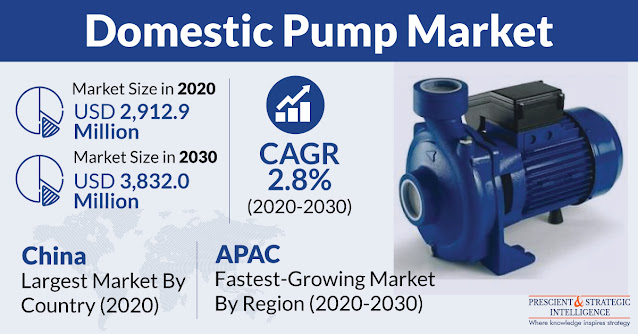
The global domestic pump market revenue stood at $2,912.9 million in 2020, and it is predicted to rise to $3,832.0 million by 2030. According to the estimates of the market research company, P&S Intelligence, the market will grow at a CAGR of 2.8% from 2021 to 2030. The surging construction activities in the residential sector, increasing number of high-rise buildings, where pumps are required for maintaining the water pressure till the upper storeys, depletion of groundwater, and rapid urbanization are the major factors fueling the growth of the market. 

As per the Our World in Data, the global population will surge to 8.2 billion and 8.6 billion by 2025 and 2030, respectively. The surge in the worldwide population would create burden on the existing water infrastructure, which supplies drinking and utility water. In addition, a large number of people are rapidly shifting from rural areas to cities and towns every year. As per the World Bank, the share of the urban population in the global population surged from 55.2% to 56.1% from 2018 to 2020. 

Owing to the rising urbanization rate, many governments across the world are focusing on improving the infrastructure, which would subsequently fuel the demand for domestic pumps, thereby causing the expansion of the domestic pump market. The rapid depletion of the groundwater level is another major domestic pump market growth driver. As per the Population Action International, nearly 2.8 billion people in as many as 48 countries are predicted to experience water scarcity by 2025.

This category is predicted to demonstrate the highest growth rate in the market in the coming years. This is ascribed to the large-scale usage, inexpensive nature, and excellent pumping efficiency of these pumps. Globally, the Asia-Pacific region dominated the market in the past. This was because of the presence of a large population and surging number of ongoing housing projects for accommodating the soaring population in the region. Furthermore, the abundant availability of power for operating these pumps is also driving the growth of the domestic pump market in the region.

Hence, it can be said without any hesitation that the sales of domestic pumps will surge sharply in the coming years, mainly because of the rising requirement for potable and drinking water, on account of the soaring urban population and increasing construction and infrastructure development projects in several countries. 

Read More: https://www.psmarketresearch.com/market-analysis/domestic-pump-market

Booming Speciality Chemical Production To Fuel Alpha Olefin Sales

Alpha olefins are olefins or alkenes are with the chemical formula cxh2x. One of the major feedstocks used for producing alpha olefins is ethylene, which is produced by using naphtha and gas-based oil. In recent years, the demand for the compound has increased massively, primarily because of the soaring use of specialty chemicals in various industries. The compound is extensively used as a raw material in the production of several specialty chemicals, such as oilfield chemicals, plasticizers, lubricants, plastomers, and surfactants.

For instance, ethylene alpha-olefin copolymers are also called plastomers and they are made from the polymerization process. Plastomers exhibit the hybrid characteristics of plastics and elastomers and because of these traits, these materials are extensively used in packaging and polymer modification applications.  In addition, they provide good foaming, low-cost benefits in surfactant production, and excellent compatibility with hard water. Because of these factors, the material is being increasingly used in surfactant production, which is supporting the growth of the alpha olefins market. 

According to the estimates of the market research company, P&S Intelligence, the market revenue will surge from $11,704.2 million in 2017 to $15,846.5 million by 2023. Furthermore, the market will exhibit a CAGR of 5.4% from 2018 to 2023. Among the different types of alpha olefins, the demand for 1-hexene was found to be the highest in the past. This was because of its large-scale utilization in the production processes of several products, such as synthetic fatty acids, hexyl mercaptans, and oxo alcohols.  C20-C30 LAOs are extensively used in alkyl aromatics, oilfield chemicals, petroleum additives, and surfactants.

Geographically, the demand for these materials was found to be the highest in North America in 2017. This is credited to the growing consumption of these products in various industries, such as plastics, automotive, and construction, ballooning consumption of plastics, and the surging production capacity of the regional countries.  Moreover, some of the major producers of alpha olefins, such as Royal Dutch Shell PLC and Chevron Phillips Chemical Company LLC, are based  in the U.S., which is also pushing up the demand for the compound in the region. 

Hence, it can be said confidently that owing to the growing requirement for alpha olefins in the production of specialty chemicals and in various industries, their sales will continue booming across the world in the coming years.

Growing Healthcare Expenditure Propelling Non-Woven Adhesives Market Progress

The global non-woven adhesives market revenue stood at $2.0 billion in 2020, and it is predicted to surge rapidly between 2021 and 2030 (forecast period). The market is being propelled by the growing use of non-woven adhesives in baby care, adult incontinence applications, feminine hygiene products, rising public awareness about high-quality products, and mushrooming requirement for these adhesives in the textile industry. According to various reports, the healthcare business had a value of $8.5 trillion in 2018 and the global healthcare expenditure is expected to surpass $10 trillion by 2022.

This is predicted to push up the demand for non-woven adhesives, as these products provide safe and secure fixation, exhibit high absorption, and offer sterile dressing which massively mitigates the chances of contamination and ensures greater wound protection. Apart from this factor, the ballooning population of geriatric people is also fueling the expansion of the non-woven adhesives market. According to the World Population Aging 2020 report published by the United Nations Department of Economic and Social Affairs (UNDESA), the population of people aged 65 years and above will rise from 727 million in 2020 to more than 1.5 billion by 2050.

As geriatric people need adult diapers, which consist of non-woven hygienic adhesives, especially in developed nations, such as Japan, Western European countries, and the United States. In these countries, the industry for adult diapers is bigger than the industry for infant diapers. Depending on type, the non-woven adhesives market is divided into styrenic block copolymer (SBC), polyalpha olefin (APAO), and ethylene vinyl acetate (EVA). Amongst these, the APAO category contributed the highest revenue to the market in the past, and it is predicted to demonstrate rapid expansion in the forthcoming years.

This is attributed to the growing per capita income and low labor and material costs, which are fueling the development of hygiene product and non-woven adhesive producing facilities in the region. The players operating in the non-woven adhesives market are actively focusing on expanding their production capacities in order to cater to the rising consumer requirements. For example, Henkel Adhesives Technologies India Pvt. Ltd. unveiled a new production facility in Kurkumbh, India in February 2020, with an investment of nearly $57.0 million.

Hence, it can be safely said that the demand for non-woven adhesives will rise sharply in the coming years, primarily because of the surging healthcare spending, rising public awareness about various hygiene products, and growing geriatric population all over the world.

Why Are Lubricants Vital for Industries?

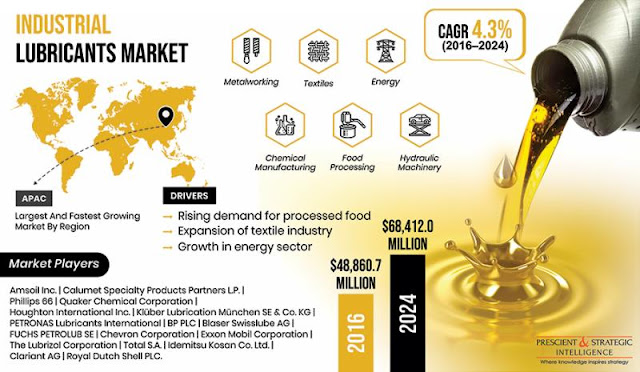
Wherever there are mechanical objects at work, there are friction and wear and tear due to their constant contact with each other. This is why lubricants are so important in factories and other industrial settings. Wear and tear and the heat generated due to friction are the major forces behind the breakdown of machines. Apart from leading to the need for regular maintenance and overhauling, these forces also lead to a high fuel and electricity consumption, by making the machine work harder to do the same thing.

Hence, considering the burgeoning manufacturing output around the world, P&S Intelligence sees a bright future for the industrial lubricants market ahead. The rising population is leading to the increasing demand for all kinds of products, which is giving a boost to the manufacturing sector. Additionally, governments of numerous nations are encouraging manufacturers to set up their plants there. Some of the efforts made in this regard are the Made in China 2025, Make in India, and Making Indonesia 4.0 initiatives.

Therefore, be it automotive, aerospace & marine, pharmaceutical & medical device, food & beverage, defense, chemical & polymer, metal & mining, building & construction, wood & furniture, electrical & electronics, textile & clothing, consumer products (including cosmetics & personal care), or power & energy (including oil & gas exploration & production), every industry is growing around the world. This is being seen in the rapid construction of manufacturing plants and expansion of the existing ones. Therefore, with more machines in use around the world, the consumption of lubricants is increasing as well.

Seeing the continuous rise in the number of industrial spaces, even lubricant manufacturers have shifted their production base to APAC countries. This has allowed them to leverage the cost advantages and target a wider consumer base easily. This is being aided by the government measures that seek to boost manufacturing capacity and reduce their reliance on imports. For instance, the Indian government now allows 100% foreign direct investment (FDI), to boost industrial production.

Therefore, as the industrial sector grows, so will the demand for various kinds of lubricants to keep the machines running smoothly.

Food and Beverage Companies Using Chitosan as Food Preservative to Reduce Toxicity

Chitosan refers to a semisynthetic material that is obtained through the deacetylation of chitin. It comprises N-acetyl-glucosamine (acetylated monomer) and glucosamine (deacetylated monomer) monomers, which are linked through β-,4 glycosidic bonds. At present, a considerable volume of this material is used as food preservative to extend shelf life of perishable food items, owing to its non-toxic property. Unlike traditional preservatives, such as formalin, chitosan is more biocompatible and does not lead to cancer, lung diseases, and skin disorders.

Thus, the increasing use of chitosan as food preservative will support the chitosan market growth during the forecast period (2021–2030). Moreover, the surging use of this chemical in drug delivery systems, on account of its ability to reduce enzyme degradation, facilitate the uptake of drugs by target tissues or cells, prolong cycle time, and increase water solubility and stability of drugs, will also contribute to the market growth exponentially. According to P&S Intelligence, the market generated $1.8 billion revenue in 2020.

In addition, the biochemical industry also uses chitosan as a vital raw material for bioactive agents, due to its biocompatibility. Biochemical companies use this material to produce bioactive materials like films, sponges, hydrogels, and fibers. Apart from the food and beverage and biochemical industries, a large quantity of chitosan is also used in the cosmetics, agriculture, and water treatment industries. Furthermore, this semisynthetic material is used in the production of protective clothing and fiber reinforcement composites. Moreover, industrial, food, and pharmaceutical grade chitosan used by end users are derived from multiple sources of chitin. 

The source segment of the chitosan market is classified into shrimp, lobster, crab, prawn, and others, such as squids, krills, fungi, and centric diatoms. Under this segment, the shrimp category accounted for the largest market share in 2020, and it is also expected to continue witnessing this trend throughout the forecast period. This can be owed to the high content of chitin in shrimp shells and extensive demand for shrimp chitosan from water treatment plants. Additionally, the increasing use of shrimp chitosan as an ingredient in food preservatives will also contribute to the market growth in this category, globally.

Globally, the Asia-Pacific chitosan market generated the highest revenue during the historical period (2015–2020), and it is also expected to exhibit the fastest growth during the forecast period. This can be credited to the surging focus of market players on R&D and the increasing prevalence of chronic diseases in the region. Additionally, the mounting investments being made by private and government organizations of India, China, and Malaysia in the water treatment sector will also steer the demand for chitosan in APAC.

Therefore, the surging need for non-toxic food preservatives and the burgeoning demand for bioactive materials are expected to fuel the consumption of chitosan across the world.

Expanding Electric Vehicle Stock Generating Global Demand for Oxygen-Free Copper

The Government of France has set up a target of increasing plug-in electric vehicle (PHEV) (passenger vehicles) and battery electric vehicle (BEV) (passenger vehicles) stock to 1.8 million and 3 million, respectively, by 2028. Likewise, Indonesia aims to expand the electric vehicle (EV) stock (passenger vehicles) to 2 million units by 2030. Similarly, the New Zealand government aspires to introduce 64,000 EVs (passenger cars) by 2025. The increasing number of EVs, on account of the growing need to reduce vehicular emissions, will, therefore, augment the need for oxygen-free copper products worldwide.

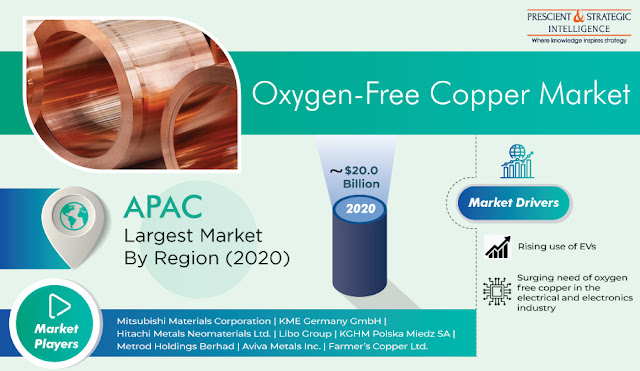
Moreover, the expanding electrical and electronics industry will also steer the oxygen-free copper market growth during the forecast period (2021–2030). According to P&S Intelligence, the market generated nearly ~$20.0 billion revenue in 2020. The growth of the electrical and electronics industry can be ascribed to the rising demand for consumer electronics, especially in developing countries, due to the mounting disposable income of people. For instance, the gross national disposable income of India increased from INR 1,73,15,933 crore during 2017–2018 to INR 1,92,37,943 crore during 2018–2019.

In the coming years, the electrical and electronics industry will utilize a significant volume of oxygen-free copper wires, busbars, strips, and rods to meet the booming demand for superconductors and semiconductors. Additionally, the surging power demand, on account of the growing global population, will also create a huge requirement for various types of oxygen-free copper products. In recent years, oxygen-free copper wires have been consumed in the highest quantity, due to their large-scale usage in vacuum seals, vacuum capacitors, vacuum interrupters, and microwave tubes. 

The grade segment of the oxygen-free copper market is bifurcated into oxygen-free and oxygen-free electronic. Under this segment, the oxygen-free bifurcation held the larger market share in 2020, and it is projected to maintain its lead in the forecast years as well. The dominance of this category can be attributed to the increasing use of oxygen-free copper in electromagnets, magnometers, and other semiconductors and magnifying demand for EVs, owing to the rising government support toward the EV industry. 

In recent years, oxygen-free copper providing companies have actively focused on acquisitions to offer this material to a greater number of customers. For instance, in February 2021, Mitsubishi Materials Corporation acquired a minority share in Mantoverde copper mine of Chile for $275 million. With this acquisition, the company will have a constant supply of high-quality copper concentrates with minimal impurities and a sustainable raw material portfolio of e-scrap and clean copper concentrates.

Therefore, the surging adoption of EVs and prospering electrical and electronics industry will facilitate the usage of oxygen-free copper all over the world in the upcoming years.

Why Is Cosmetic Chemical Demand Highest in Asia-Pacific?

From $457.734 in 1960, the global per capita income has risen to $10,910.084 in 2020. This means that on average, people have more to spend than 60 years ago. As a result, the sale of several products and services that were earlier only purchased via the wealthy, such as electrical appliances, consumer electronics, and automobiles, are being widely bought by the middle and even lower classes. Another kind of products that are now gaining a widening customer base are cosmetics.

Thus, P&S Intelligence expects the cosmetic chemicals market size, which was already $20.0 billion in 2020, to grow significantly in the years to come. Cosmetic is anything with or without actual health benefits that is used to enhance the appearance. Apart from the rising disposable income, the increasing appearance consciousness is propelling the usage of such products. The surge in the appearance consciousness is attributed to the growth in the influence of the Western culture via TV shows, magazines, and social media.

Further, with time, people have become aware of the ill-effects chemicals can have on the skin, which is why they are going for cosmetics marketed as organic and natural. This is prompting key cosmetics companies as well as chemical firms, such as The Dow Chemical Company, Ashland Inc., Givaudan S.A., Eastman Chemical Company, BASF SE, Lonza Group, LANXESS Deutschland GmbH, Solvay S.A., P&G Chemicals, Evonik Industries AG, Croda International Plc, Cargill Incorporated, and Bayer AG, to engage in extensive research and development (R&D) to come up with products that carry the same functional characteristics as conventional ones, but do not harm the skin.

Asia-Pacific is the dominant cosmetic chemicals market across the globe. Although North America and Europe have a higher disposable income and brand awareness, APAC registers the highest cosmetics sales because of its huge population. Therefore, to target the regional populace with cost-effective products, major cosmetics companies have their production plants here, which propels the consumption of the various chemicals that go into such products. Within the region, China is the largest cosmetics chemical consumer as it is home to the factories of many cosmetics manufacturers.

Hence, with the growing cosmetics production, the demand for associated chemicals will boom.

How is Construction Sector Steering Engine-Driven Welder Demand in U.S.?

The U.S. Energy Information Administration (EIA) states that around 535 million short tons of coal were produced in 22 states of the country. Further, the U.S. Geological Survey reveals that 190 tons of gold were mined in the country in 2020. The organization also states that 150 tons of beryllium were produced in the country in 2020. The surging mining activities in the U.S. will create an enormous requirement for engine-driven welders, as they are required to repair mining machinery, remove damaged parts or cracks, and generate electricity for power auxiliary operations in the absence of base electricity.

Additionally, the rising construction activities, primarily on account of the increasing number of housing projects, will help the U.S. engine-driven welder market grow at a CAGR of 6% during the forecast period (2019–2024). According to P&S Intelligence, the market was valued at $133.1 million in 2018, and it will generate more than $188.9 million revenue by 2024. The U.S. Department of Housing and Urban Development and the U.S. Census Bureau approved the construction of 1,598,000 buildings in October 2021.

The amperage segment of the U.S. engine-driven welder market is classified into 800 A and above, 600 A–799 A, 500 A–599 A, 400 A–499 A, 300 A–399 A, 200 A–299 A, and less than 200 A. Among these, the 300 A–399 A category generated the highest revenue in 2018, and it is also expected to exhibit the fastest growth throughout the forecast period, due to the wide application base of 300 A–399 A engine-driven welders in the pipeline works, commercial, industrial, and residential construction activities, and agricultural and industrial machinery maintenance.

Currently, the U.S. engine-driven welder market is consolidated in nature, with the presence of few players, such as Miller Electric Mfg. LLC, Airgas Inc., One Source Equipment Rentals Inc., A&B Welding Supply, Lincoln Electric Holdings Inc., Middlesex Welding Sales, Barnes Welding Supply, Hobert Welding Products, Cryo Weld, Service Welding Supply, WELDING SUPPLIES FROM IOC, Norco Inc., and TS Distributors Inc. In 2018, Hobert Welding Products, Miller Electric Mfg. LLC, and Lincoln Electric Holdings Inc. accounted for over 85% market share. 

Therefore, the expanding mining sector and surging construction activities will facilitate the adoption of engine-driven welders in the U.S. in the foreseeable future.

Why Do Pharmaceutical Companies Use Polyethylene Glycol in Capsule Production?

The pharmaceutical industry is witnessing a monumental growth in emerging economies, such as India, Brazil, and China, owing to which the consumption of polyethylene glycol (PEG) is increasing exponentially, as it is used as an inactive ingredient in the pharmaceutical sector. PEG is used as a surfactant, solvent, and suppository base for capsules and tablets. Additionally, the rapid technological advancements in the pharmaceutical sector will also facilitate the consumption of PEG in the forthcoming years.

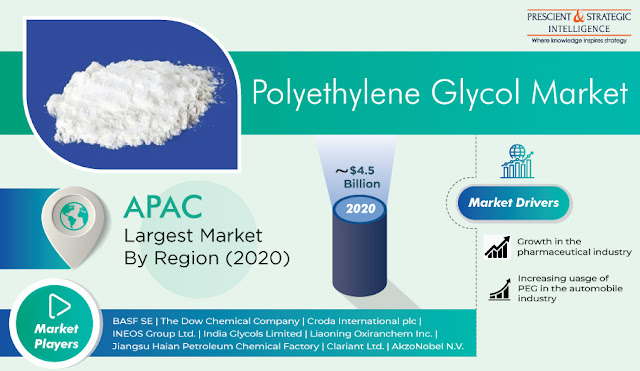
Moreover, the escalating healthcare expenditure, on account of the surging cases of skeletal problems, obesity, hypertension, and cardiovascular diseases (CVDs), will also catalyze the polyethylene glycol market growth during the forecast period (2021–2030). According to P&S Intelligence, the market generated ~$4.5 billion revenue in 2020. The market growth can also be owed to the burgeoning demand for personal care products, as PEG is used as a specialty solvent and surface-active agent in creams and lotions, bath oils, toothpaste, deodorants, detergents, soaps, conditioners, shampoos, and lipsticks.

The application segment of the polyethylene glycol market is classified into industrial, medical, personal care, construction and infrastructure, and others, such as plastic, aerospace, and automotive. Under this segment, the medical category generated the highest revenue in 2020, due to the widening application base of PEG in the medical industry, owing to the soaring healthcare expenditure worldwide. For instance, the World Bank estimates that the global per capita healthcare expenditure increased from $1,405.843 in 2017 to $1,459.319 in 2018.  

In recent years, PEG producers have been engaging in facility expansions to cater to the needs of their existing and potential client base. For instance, in September 2019, BASF SE expanded its Verbund plant in Belgium to increase the manufacturing capacity of ethylene oxide and its derivatives to around 400,000 metric tons per year. Other companies focusing on facility expansion include India Glycols Limited, Huntsman Corporation, Croda International plc, Jiangsu Haian Petroleum Chemical Factory, BASF SE, Liaoning Oxiranchem Inc., The Dow Chemical Company, Clariant Ltd., INEOS Group Ltd., and AkzoNobel N.V.

Globally, the Asia-Pacific (APAC) region accounted for the largest share in the polyethylene glycol market during the historical period, and it is expected to retain its dominance during the forecast period as well. This can be owed to the expanding medical and pharmaceutical, building and construction, and automotive industries in the region. The increasing consumption of water-based paints, inks, and coatings in the construction sector is driving the PEG demand in the region. 

Thus, the flourishing pharmaceutical sector and growing healthcare expenditure will create an enormous requirement for PEG.

Mushrooming Biofuel Production Fueling Seed Treatment Demand

The soaring demand for food products, on account of the mushrooming population across the globe, is fueling the requirement for seed treatment products, as they assist in improving the productivity of crops. As per the United Nations (UN), the global population will surge from 7.7 billion in 2020 to around 8.9 billion by 2030. Seed treatment products are also used for protecting young plants and seedlings from various diseases and ensuring high crop yield.

Besides the aforementioned factor, the burgeoning requirement for biofuels, owing to the increasing environmental concerns over the deteriorating air quality level and escalating pollution levels, is also fueling the expansion of the seed treatment market. Different types of plants are used for producing biofuels. For example, bioethanol is made from the fermentation of the sugar produced from starchy crops, such as sugarcane. Thus, in order to make high quality biofuels, the seeds of the plants from which the sugar or oil is to be derived must be of high quality.

Across the world, the demand for seed treatment products was observed to be the highest in the Asia-Pacific (APAC) region in the years gone by and this trend is predicted to continue in the coming years as well. This is credited to the surging farming activities, including high-volume crop production, especially in Vietnam, India, China, Australia, and South Korea, and skyrocketing demand for high-quality agricultural produce to cater to the region’s large population.

Globally, the major players operating in the seed treatment market, such as Bayer AG, BASF SE, Germains Seed Technology, Croda International Plc, FMC Corporation, Novozymes A/S, Verdesian Life Sciences LLC, and Eastman Chemical Company, are focusing on product launches in order to gain an edge over their rivals. For example, Corteva Inc. developed Lumivia CPL, which is a non-neonicotinoid-based seed treatment product for peas, lentils, and cereals, in March 2020. This product uses an advanced method for managing pests.

Hence, the demand for seed treatment products will skyrocket in the coming years, primarily because of the surging need for higher agricultural productivity and biofuels across the world.

Why Are Automakers Using Physical Vapor Deposition Technology?

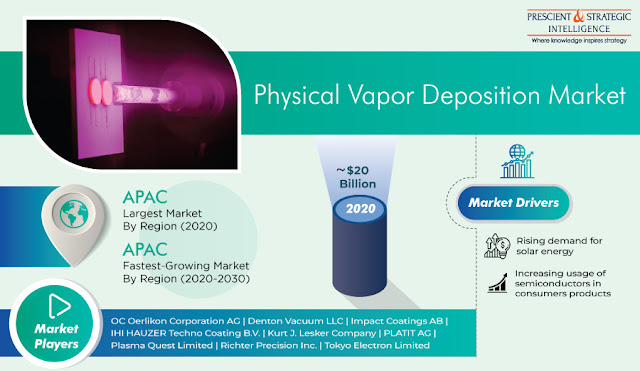
Physical vapor deposition (PVD) refers to a vacuum deposition process that can be used to fabricate thin films and surface coatings. In this process, the material changes from a condensed phase to a vapor phase and then again to a thin film condensed phase. Conventionally, PVD has been utilized at the industrial scale and combined with multiple methods to produce coatings with superior characteristics. In recent years, advancements in nanoscience have made the PVD technique more useful for the fabrication of micro-structure and nanostructured coatings.

Currently, solar selective coatings produced by using the PVD technique are being consumed in large quantities, due to the rising focus of governments and individuals on generating electricity through solar energy. Coatings with high absorptance and low thermal emittance are being applied on solar panels to harness solar energy. Thus, the increasing deployment of solar cells and panels will catalyze the physical vapor deposition market growth during the forecast period (2021–2030).

In recent years, PVD equipment manufacturers, such as OC Oerlikon Corporation AG, Angstrom Engineering Inc., PLATIT AG, Denton Vacuum LLC, Plasma Quest Limited, Sulzer Ltd., Kurt J. Lesker Company, Tokyo Electron Limited, Advanced Energy Industries Inc., IHI HAUZER Techno Coating B.V., Applied Materials Inc., and Impact Coatings AB, have focused on introducing new products and acquisitions to augment their revenue. For instance, in July 2019, Applied Materials Inc. introduced Endura platforms, a PVD equipment, to produce novel memory technologies targeting cloud computing and the internet of things (IoT) technologies.

Geographically, the Asia-Pacific (APAC) region held the largest share in the physical vapor deposition market in 2020, and it is expected to demonstrate notable growth throughout the forecast period. This can be owed to the burgeoning demand for flash memory and dynamic random-access memory (DRAM) in China, Japan, and India. Additionally, the growth of the semiconductors industry, primarily on account of the increasing penetration of smartphones and laptops, will also support the market growth in the region. 

Thus, the rising shift toward solar power and soaring demand for lightweight vehicles will fuel the adoption of PVD technology worldwide.

Surging Aircraft Sales Augmenting Demand for Thermal Spray Materials

The mushrooming popularity of the aerial mode of transportation is fueling the expansion of the aerospace industry, which is, in turn, driving the worldwide sales of thermal spray materials. Moreover, the increasing defense expenditure of several countries, such as India, the U.S., Japan, and China is also propelling the growth of the aerospace industry. For example, as per various estimates, China will spend more than $1.1 trillion in aircrafts over the next 20 years. 

As thermal sprays are extensively used in coatings, which are applied on turbo-machinery, such as high-pressure turbine seals, rotor-path linings, bearings, compressor seals, airframe, engine components, and oil seals, in order to improve fuel efficiency and fluid dynamics, reduce maintenance expenses, and prevent wear and tear, the soaring sales of both defense and commercial aircrafts are driving their demand across the world. Apart from the booming aerospace industry, the rising urbanization rate, especially in the Eastern European and Asia-Pacific (APAC) regions, is also fueling the requirement for industrial machinery in construction, automobiles, and consumer product industries.

As these equipment need thermal spray materials for preventing corrosion, erosion, wear, and various other damages, their rising usage is predicted to fuel the growth of the global thermal spray materials market in the coming years. According to the forecast of the market research company, P&S Intelligence, the revenue of the market will grow from $1,860.8 million in 2018 to $2,869.2 million by 2024. Furthermore, the market is expected to demonstrate a CAGR of 7.4% from 2019 to 2024.

Wire/rod and powder are the two types of thermal spray materials used all over the world. Between these, the demand for wire/road materials was found to be higher during the last few years. This was because of the fact that by utilizing wire/rod materials, only the molten droplets reach the substrate, which minimizes wastages. Moreover, the flame exiting the nozzle of the spraying machine is concentric, when wire/rod materials are used, which leads to uniform heating for the proper spraying of the material.

Industrial gas turbines, electronics, energy and power, food processing, industrial manufacturing, mining, rubber producing, textile producing, automotive, oil and gas, aerospace, and medical devices are the major end-use industries of thermal spray materials. Amongst these, the requirement for these materials was the highest in the aerospace industry during the past years. This was because of the fact that thermal spray materials were extensively used for coating different aerospace components for both military and commercial aircrafts. 

Geographically, the demand for thermal spray materials was found to be the highest in North America during the last few years. This was because of the existence of a thriving automotive industry, owing to the soaring sales and manufacturing of automobiles and automotive components in the region. In addition, the region is home to some of the leading military and civil aircraft manufacturing companies, such as Lockheed Martin Corporation, Bombardier Inc., and The Boeing Company, which is also boosting the demand for thermal spray materials.

Hence, the demand for thermal spray materials will shoot up in the years to come, mainly because of their growing usage in automotive and aerospace industries across the world. 

Why Is Growing Hygiene Awareness Driving Demand for Spunbond Nonwovens?

A lot of diseases spread via bodily fluids and excretions, including some really nasty ones, such as cholera, bacillary dysentery, typhoid, hepatitis A and E, E. coli, amoebiasis, toxoplasmosis, and tapeworms. This is why the focus on personal hygiene is rising around the world, which is driving the sale of diapers, feminine hygiene pads, and toddler training pants. Moreover, the awareness campaigns being run by international agencies, such as the World Health Organization (WHO), and national governments are propelling the sale of such products.

As a result, according to P&S Intelligence, the spunbond nonwovens market value, which was $11,040.1 million in 2017, is set to witness an 8.1% CAGR between 2018 and 2023, to reach $17,651.9 million by 2023. This is because such materials are widely used in the production of hygiene pads, diapers, and wipes. Therefore, with the focus on hygiene and general cleanliness having grown manifold during the ongoing pandemic, spunbond nonwoven sales have risen as well. The greatest impact of the sale of such materials in this regard has been perhaps due to the hoarding madness surrounding face masks, which have been widely accepted as being essential for stopping infection transmission.

All these kinds of products can be made disposable and non-disposable, of which spunbond nonwovens have been used in higher volumes for disposable products. This is because of the surging awareness regarding the transmission of pathogens from one person to another. This is a grave problem even in healthcare settings, with the Centers for Disease Control and Prevention (CDC) saying that in the U.S., “On any given day, about one in 31 hospital patients has at least one healthcare-associated infection”. Therefore, healthcare settings are subjected to rather stringent infection control guidelines, which include the mandatory usage of disposable surgical gowns and face masks.

Asia-Pacific was the largest spunbond nonwovens market in the past, and it will continue being so in the years to come. The region is already the largest producer of PP, polyester, polyethylene, and polyurethane, which are the key raw materials for spunbond nonwovens. This leads to cost-effectiveness for the producers of these materials, which further makes the end products cheap for the masses. Additionally, the huge customer base in APAC leads to the high sales of the end products.

Hence, with the rising awareness on personal hygiene, the demand for spunbond nonwovens is booming.

Asia-Pacific Plasticizers Market To Prosper in Coming Years

The global plasticizers market reached a value of $13,967.9 million in 2018 and it is expected to generate $16,700.6 million revenue by 2024. According to the estimates of P&S Intelligence, a market research company based in India, the market will demonstrate a CAGR of 3.5% from 2019 to 2024 (forecast period). The market is being driven by the booming construction industry and the soaring requirement for polyvinyl chloride (PVC) in the electronics and electrical industry. 

Plasticizers are required for building various tools and materials, such as roof and wall insulation, building interiors, and pipes and tubes, which are needed in large quantities in the construction industry. As most of these tools are produced from PVC, the increasing construction activities in several countries are propelling its demand. Furthermore, the construction industry has exhibited huge expansion during the last few years, primarily because of the increasing urbanization rate and mushrooming population.

Depending on product, the plasticizers market is divided into phthalates and non-phthalates categories. Of these, the phthalate category held the larger share in the market in 2018. This was because of the extensive usage of these materials in the production of products, such as plastics used in the healthcare industry, coatings, emulsifying agents, and anti-viscosity agents. The non-phthalates category is also predicted to demonstrate rapid advancement in the coming years, due to their less toxic nature. 

The market is also categorized, based on end-use, into wires and cables, flooring, roofing, and cladding, films and sheets, automotive parts, medical equipment, and toys and child care products. Out of these, the wires and cables category dominated the market in 2018, and it is predicted to demonstrate a CAGR of 3.8% throughout the forecast period. This is attributed to the extensive usage of wires and cables, that require flexible PVC for insulation and protection. 

Additionally, the expansion of the healthcare, construction, packaging, and several other industries is also predicted to generate a huge requirement for plasticizers in the forthcoming years. Geographically, the Asia-Pacific (APAC) region is expected to be the fastest growing region in the plasticizers market during the forecast period. This is credited to the soaring demand for plasticizers in the automotive, manufacturing, construction, electrical and electronics, and chemicals industries in the region. In these industries, plasticizers are required for imparting flexibility to or smoothening various end products. 

Hence, the market is set to surge sharply in the coming years, mainly because of the increasing construction and infrastructure development activities all over the world. 

Surging Automobile Sales Driving Indian Industrial Aerosol Market

The Indian industrial aerosol market value stood at $70.95 million in 2019, and it is expected to surge to $115.85 million by 2030. Furthermore, the market will advance at a CAGR of 5.6% from 2020 to 2030 (forecast period), as per the market research firm, P&S Intelligence. The major factors propelling the market are the surging requirement for aerosols in automobile manufacturing plants and the automobile aftermarket, booming manufacturing industry, and increasing implementation of government initiatives for augmenting research and development (R&D) activities in the country’s manufacturing industry.

With the surging manufacturing and sales of commercial vehicles, passenger cars, two-wheelers, quadracycles, and three-wheelers, the requirement for industrial aerosols is rising sharply. As per the Society of Indian Automobile Manufacturers (SIAM), 30,915,420 vehicles were manufactured in India in 2018–19, which registered an increment of 6.3% from the number of vehicles manufactured during the previous year (29,094,447). Likewise, as per the India Brand Equity Foundation (IBEF), the demand for automobiles will surge in the country in the coming years, because of the soaring population of young people and surging income of the middle-class populace in the country.

The Indian industrial aerosol market is divided, depending on application, into cleaning, spray paints, and maintenance. Out of these, the spray paints category held the largest share in the market in the years gone by, and this trend is predicted to continue in the coming years as well. This is credited to the flourishing automotive aftermarket, because of the soaring purchasing power of people, in the country. The market is currently fragmented in nature, with the existence of players, such as Aerosol Specialities (India), Pidilite Industries Limited, S. S. Aerosols Pvt. Ltd., Zenith Spray And Aerosols Private Limited, Aerol Formulations Private Limited, and PRIME AEROSOLS.

In recent years, the players operating in the Indian industrial aerosol market have focused on product launches in order to gain an edge over their rivals. For example, 3M Company launched the 3M Scotchkote Polytech Exp RG700, which is an anti-heat solution for the Indian Railways, in May 2020. This is basically a solar-reflective layer that mitigates the heat inside a building or an enclosure, and it can be easily applied on various metallic and non-metallic substrates. Similarly, CRC Industries Inc. launched OZZYJUICE SW-X1, which is a new degreasing solution, in November 2019. 

Hence, the market will grow substantially in the coming years, primarily because of the growing requirement for industrial aerosols in automobile manufacturing plants and booming manufacturing sector in the country.


Concrete Admixture Highest-Selling Construction Chemicals in APAC

Under the National Infrastructure Pipeline launched in 2019, India has earmarked a total investment of $1.4 trillion (INR 102 lakh crore) on infrastructure development. Moreover, by 2025, the construction sector of India will be the third-largest in the world, behind that of the U.S. and China. Naturally, the two most-populated countries in the world account for the largest construction sectors in the world. Moreover, the government of these nations is extending its support for the real estate and infra sector.

Due to the rampant growth of this industry, P&S Intelligence predicts the Asia-Pacific (APAC) construction chemicals market revenue to rise from $19,754.8 million in 2017 to $29,686.2 million by 2023, at a 7.1% CAGR between 2018 and 2023. This will essentially be due to the burgeoning population of the region, which is already the highest on earth. More people means a requirement for more houses, roads & highways, transportation facilities, schools, office complexes, hospitals, retail spaces, hotels, factories, and all other kinds of infrastructure imaginable.

In this regard, the government efforts to boost infra development in the region are propelling the demand for construction chemicals. For instance, the Indian government is developing 100 smart cities, eight ports and 14 special economic zones (SEZs), and 28 highway corridors and a total of 24,800 km of highways under the Bharatmala Project phase I. Moreover, the Eastern and Western Dedicated Fright Corridors and the Delhi–Mumbai Expressway, part of the larger Delhi–Mumbai Industrial Corridor, are being constructed.

As a result, the demand for concrete admixtures, sealants, adhesives, protective coatings, flooring chemicals, asphalt modifiers, and flame retardants is rising. Among these construction chemicals, concrete admixtures account for the highest consumption as they give strength to the structure and reduce the requirement for water. In a region that witnesses a lot of volcanic and tectonic activity, strong buildings are a must. For instance, North India and Japan are at an extremely high risk of severe earthquakes. Thus, with concrete being the key construction material, the demand for admixtures is surging in the region.

In the coming years though, India’s contribution to the APAC construction chemicals market will grow at the highest pace. As per the India Brand Equity Foundation (IBEF), between April 2000 and December 2020, the country’s construction sector received a total foreign direct investment (FDI) of almost $50 billion. Moreover, in the 2021 Union Budget, the government allocated $32.02 billion (INR 233,083 crore) for transportation infrastructure alone! Under this, over 600 railway stations have been identified for redevelopment, the entire broad-gauge network of Indian Railways is being electrified, and all routes are being double-tracked.

Thus, with governments pushing for infrastructure development in APAC, the demand for construction chemicals will boom in the coming years.