R&D Activities Improving Quality of Solar Encapsulants

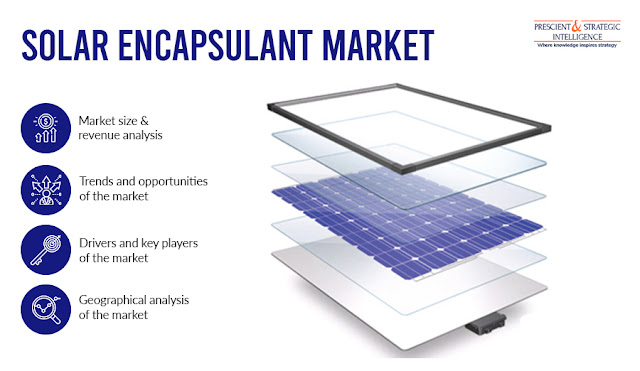
The widescale installation of photovoltaic (PV) modules, continuous research and development (R&D) in solar cell technologies, and advent of crystalline silicon solar technology are expected to drive the solar encapsulant market at a CAGR of 28.4% during the forecast period (2018–2023). The market generated a revenue of $1,036.0 million in 2017 and it is projected to generate $4,555.4 million by 2023. Moreover, the escalating awareness among people regarding the benefits of the solar cell technologies will propel market growth in the coming years.

The material category of the solar encapsulant market is classified into ethylene vinyl acetate (EVA), polyvinyl butyral (PVB), polyolefin elastomer, and others. Among these, the EVA category generated the highest revenue in 2017. Manufacturers of PV cells prefer EVA over other encapsulating materials, as it offers higher adhesive strength, higher elasticity, and better protection against delamination and corrosion. Whereas, the PVB category will exhibit the fastest growth in the forecast years, due to its increasing application in laminated safety glass, which is widely used in the architectural, automotive, and aerospace industries.

The manufacturers use the aforementioned materials to produce large quantities of solar encapsulants, by deploying thin-film solar technology or crystalline silicon solar technology. The companies across the world apply both these technologies, due to their unique benefits and distinctive properties. Thin-film solar technology enables large-scale production of solar modules at low cost, as it consumes less amount of raw materials. Whereas, high conversion efficiency and rapid payback in terms of energy savings of crystalline silicon solar technology are the key reasons behind its increasing deployment. 

Additionally, North America is also expected generate considerable revenue in the solar encapsulant market in the coming years. This can be attributed to the widescale installation of solar panels in commercial and residential buildings, largescale establishment of solar cell production units, and strong presence of established players in the region. Furthermore, Europe will also account for significant market share, on account of the increasing presence of encapsulate film manufacturers, surging investments in solar cell technologies, and growing support from governments to strengthen the solar energy ecosystem in the region. 

Thus, the constant developments in solar cell technologies and the gradual shift toward solar energy will accelerate the consumption of solar encapsulants in the coming years.

Source: www.psmarketresearch.com
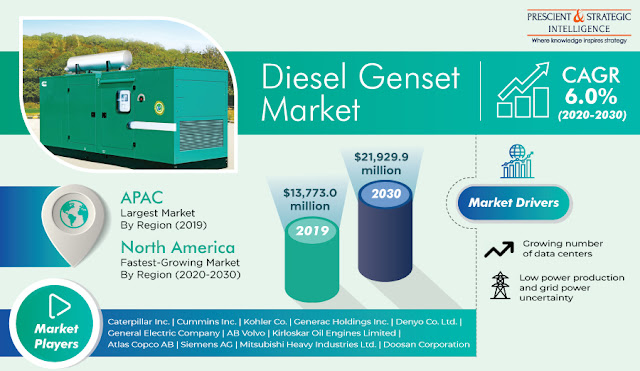
Why Can the World Not Live without Diesel Generators?

For any mechanized process, energy is needed, and for all non-engine objects, the energy comes from electricity. Thus, with the world’s population set to reach 10.9 billion by 2100 from 7.7 billion in 2019, as per the World Population Prospects 2019 report of the United Nations (UN), the demand for electricity is going to keep burgeoning. There is only one problem, especially in developing countries: electricity production is already insufficient to meet the needs of the present population, and the demand–supply gap is only expected to widen. Similarly, in several developed countries, the power grid infrastructure is aging, thereby leading to substantial transmission losses.

Therefore, with the rising demand for electricity and aging transmission infrastructure, the diesel genset market is predicted to generate $21,929.9 million by 2030 compared to $13,773.0 million in 2019. According to P&S Intelligence, the value increase would be at a CAGR of 6% over the forecast period (2020–2030). This is because generators have long been the best way to produce electricity in places lacking a regular grid connection or those that witness frequent outages.

The growing population is leading to the rapid urbanization and industrialization, which are essentially why the electricity demand is increasing. The rising number of people is driving the construction of houses, factories, and a host of commercial settings, such as hospitals, schools, transit hubs, shopping centers, office complexes, and utility centers. Generators are a must during construction, while they are also required for uninterrupted power supply after the units have been commissioned. The need for uninterrupted power is especially dire in essential spaces, such as hospitals and factories.

During 2014–2019 (historical period), Asia-Pacific held the largest share in the diesel generator set market, in terms of both value and volume. This is attributed to the expanding telecommunications infrastructure, growing industrial production, and increasing requirement for power backup in houses and large residential pockets. Initiatives including Make in India, Making Indonesia 4.0, and Made in China 2025 are driving the construction of factories, thus driving the demand for diesel generators during and after the development process.

Hence, genset sales will continue being high with the rising population and power transmission uncertainties in developing and developed countries both.

Source: www.psmarketresearch.com

Green Building Material Revolutionizing Infrastructure Sector

A range of chemicals are added to concrete, cement, and other construction materials to keep everything intact and increase the strength of the final mixture. These are used in large quantities in the civil repair and construction sectors. Therefore, the surging rate of urbanization in emerging economies has led to the large-scale consumption of such chemicals in these countries, as they make buildings more durable. Moreover, the rising need for infrastructure development in developing nations on account of the booming population will amplify the consumption of construction chemicals.

People in emerging economies are migrating from rural to urban areas in search of better employment opportunities and standard of life. Owing to the economic, social, and environmental changes brought about by urbanization, it becomes difficult to meet the requirements of the growing urban population, especially in the areas of housing, transportation, and energy. To meet the rising needs, developing nations are focusing on the construction of new buildings. As a result, the construction chemicals market will likely grow from $55,111.6 million in 2017 to $80,025.4 million by 2023, at a CAGR of 6.5% during 2018–2023.

In the past, the Asia-Pacific region utilized the highest quantity of construction chemicals due to a significant surge in the construction activities in Japan, India, and China. The rapid expansion of the residential real estate sector, on account of the booming population of the middle-class people, has augmented the demand for these chemicals in the region. Besides, the growing focus of governments on infrastructure development has boosted the application of construction chemicals in the APAC region.

Furthermore, the APAC construction chemicals market will exhibit the fastest growth during the forecast period, driven by the escalating need for construction chemicals in the emerging economies of India and China. China has emerged as the construction capital of the world due to urban development in numerous major clusters, including the Pearl River Delta, Yangtze River Delta, and Beijing–Tianjin–Hebei. Moreover, the heavy government investments for such large-scale infrastructure development, including of establishment smart cities, in China will fuel the demand for construction chemicals in the foreseeable future.

Thus, the mushrooming focus on enhancing the durability of buildings and growing number of green buildings will accelerate the usage of construction chemicals in the immediate future.

Why is Demand for Liquid Crystal Polymers Skyrocketing Globally?

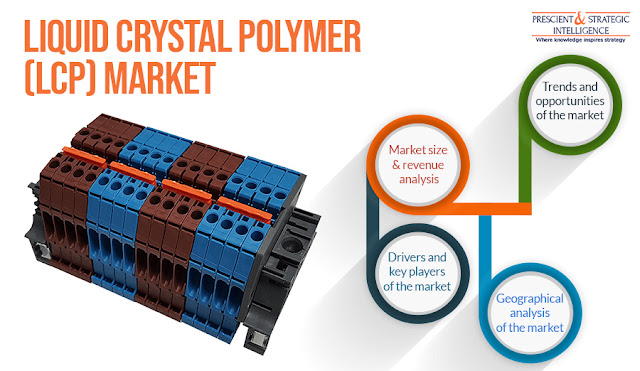
The burgeoning requirement for consumer electronic devices, on account of the booming population and the surging per capita income, especially in the developing countries such as India, Indonesia, Brazil, and China, is driving the demand for liquid crystal polymers (LCPs) across the world. With products such as smartphones, computers, microwaves, and iPhones rapidly becoming indispensable parts of households, the demand for LCPs is shooting up sharply all over the globe. 

This is because these polymers contribute heavily toward the development of these products, on account of their excellent mechanical and electrical properties. Moreover, the ballooning sales of these products are making companies such as Kuraray Co. Ltd., Sumitomo Chemical Co. Ltd., Celanese Corporation, and Toray Industries Inc. increase their LCP production and research and development (R&D) activities. Besides these factors, the soaring sales of automotive components and medical equipment are also fueling the demand for LCPs.


Due to the above-mentioned factors, the global liquid crystal polymer (LCP) market is exhibiting huge expansion. According to the estimates of P&S Intelligence, a market research company based in India, the value of the market will rise from $1,037.4 million in 2017 to $1,447.9 million by 2023. The market is also expected to progress at a CAGR of 5.7% between 2018 and 2023. Lyotropic and thermotropic are the two most widely used types of LCPs across the world.

Many LCP producers such as Toray Industries Inc. and Kuraray Co. Ltd. are making huge investments in research and facility expansions. Across the globe, the sales of LCPs were observed to be the highest in the Asia-Pacific (APAC) region during the last few years. This was because of the existence of semiconductor manufacturing hubs in the regional countries such as Japan, China, and Taiwan and a thriving consumer electronics industry in nations such as Vietnam and India. 

Hence, it can be safely said that the demand for LCPs will shoot up around the world in the coming years, primarily because of the surging sales of consumer electronics, automotive components, and medical equipment. 

Usage of Lubricants Set to Rise Sharply in Mining and Quarry Applications in Future

Lubricants are viscous fluids that are used in several industrial applications for proper functioning of machines and their components. Just like any other industry, the mining sector requires machinery in abundance for its efficient functioning. This sector uses lubricants for quarry and mining applications. With the surging consumption of mineral oil lubricants and increasing mining activities in developing countries like China and India, the sales of lubricants are expected to boom in the coming years. At present, the mining sector is showing high preference for bio-based lubricants, on account of rising environmental concerns.

The increasing use of these lubricants in the coal mining industry and rising consumption of coal in the power sector in countries like Indonesia, China, and India will drive the lubricants market for mining and quarry applications at 5% CAGR during 2017–2023. The market size is expected to grow from $1,890.0 million in 2016 to $2,610.0 million by 2023. Moreover, the burgeoning demand for mineral and metal commodities and escalating consumption of natural resources like uranium, coal, and diamond will support the market growth in the coming years.

In recent years, there has been a considerable increase in research and development (R&D) activities in countries like China, Australia, India, and the U.S., which has resulted in numerous innovations and technological advancements in the mining and quarrying field. These developments have further led to the increased usage of lubricants for mining and quarrying applications. Moreover, the high gross domestic product (GDP) and robust economic growth in nations like India, Mexico, South Africa, Brazil, Kazakhstan, and Indonesia will boost the mining activities in these countries.

The mining and quarrying sector uses lubricants like mineral oil, bio-based, and synthetic. Among these, mineral oil lubricants are used most widely, due to their cost effectiveness. These lubricants are derived from crude oil; whereas, synthetic lubricants, such as polyalkylene glycols, polyalphaolefins, and ester oils, are developed by chemical reactions of substances under precise temperature and pressure. Furthermore, bio-based lubricants are derived from natural resources like mineral oils or plants. This type of lubricants ensures operational safety and improves the performance of machinery, as these are cleaners than the other two.

According to P&S Intelligence, the Asia-Pacific lubricants market for mining and quarry applications generated the largest revenue in 2016, globally. Moreover, the regional market is also expected to observe a rapid growth in the foreseeable future. This can be ascribed to the expansion of the coal mining sector in India and China, which would account for the largescale consumption of mining lubricants in the future. Additionally, the increasing implementation of government laws regarding mining lubricants will boost their adoption in the region. 

Thus, the expansion of the coal mining industry and the high-volume consumption of coal for power generation will amplify the usage of mining lubricants in the coming years.

Read More: https://www.psmarketresearch.com/market-analysis/lubricants-market-for-mining-and-quarry-applications

How Are Biodegradable Mulch Films Enhancing Environmental Health?

Biodegradable mulch film is prepared from fermentation wastes and citric acid and is an alternative to traditional plastic film. This film has exceptional degradation and mechanical properties, which help in enhancing the soil quality. The film, based on the combination of polyvinyl alcohol (PVA) polymeric modification and hydrogen peroxide (H2O2) oxidation technologies, is used to mitigate the pollution caused by the fermentation of traditional plastic mulch film and industrial wastes. Moreover, water vapor barrier property of the film also helps in improving soil enzyme activity, soil microbial community structure, and crop yield.

Thus, growing awareness regarding the advantages of biodegradable mulching and adverse effects of inorganic mulching will propel the biodegradable mulch film market at 9.4% CAGR during 2017–2023. According to P&S Intelligence, the market stood at $34,145.1 thousand in 2016 and it is expected to reach $64,039.0 thousand by 2023. Inorganic mulching materials are developed with petroleum-based plastics, primarily non-compostable polyethylene, which has a negative impact on human and environmental health. Whereas, organic mulch film materials are produced from animals and plants, which help in increasing soil fertility without harming the environment.

In recent years, there has been a significant rise in the consumption of starch-based mulch film, due to the low cost and abundant availability of starch. The biodegradable mulch films offer enhanced soil structure, weed control, and reduced soil contamination. Owing to these benefits, farmers are increasingly adopting starch as a raw material to produce mulch films. Moreover, the higher compatibility with various soil types and biodegradability of these films in comparison to polylactic acid (PLA) and polyhydroxyalkanoate (PHA) have fueled their application on agricultural lands.

Globally, the Asia-Pacific biodegradable mulch film market will emerge as the leader in the foreseeable future, on account of escalating population in APAC countries like South Korea, India, and China. Vast population base of these countries will create high demand for food crops, which will require the films in large quantities. Furthermore, the U.S. dominates the North American market, due to its booming population. Whereas, among the Latin America, Middle East, and African nations, Brazil uses the highest volume of organic substances to develop biodegradable mulch films.

Thus, the surging demand for agricultural produce, on account of booming population, is fueling the utilization of biodegradable mulch films, globally.

How is Growing Food & Beverages Industry Driving UV Metallized Caps & Closures Market?

With the rapid urbanization and industrialization, developed and developing countries are witnessing economic growth. This has been reflected in the increase in the global gross domestic product (GDP) per capita from $5,499.151 in 2000 to $11,441.733 in 2019, as per the World Bank. Among many things, this has resulted in the increasing demand for processed food and beverages, which have traditionally been more expensive than unprocessed products, such as fresh agricultural produce. Among the processed food and beverage products witnessing an increasing demand are sauces, condiments, soft drinks, energy drinks, and spices and seasonings.

P&S Intelligence says that the growing food and beverage industry is to be a key factor to propel the ultraviolet (UV)-metallized caps and closures market from $297.0 million in 2017 to $378.9 million by 2023, at a 4.2% CAGR between 2018 and 2023. This is because UV metallization is widely done on the container and bottle caps and closures used in this industry to guard the metallized layer and mask dents and other imperfections that appear on these components during their manufacturing.

Presently, the vacuum metallizing technology is rapidly being used on plastic closures and caps, as it creates a look similar to that created by the traditional electroplating process. During the process, the metallizing material is heated in a vacuum till it begins to evaporate. The condensation of the vaporized material leads to its bonding with the plastic cap that keeps rotating inside the vacuum chamber. This is followed by the application of a protective topcoat on the now-metallized caps and closures. The reason this technology is gaining preference is its cost-effectiveness over the conventional electroplating method.

Moreover, the vacuum metallizing technology is eco-friendly, and its usage leads to lower emissions of volatile organic compounds (VOCs), which are a danger to not only the environment but also humans. As per the Environmental Protection Agency (EPA) of the U.S., VOCs can irritate the nose, throat, and eyes, cause headaches, nausea, and syncope, damage the kidneys, central nervous, system, and liver, and also lead to really severe issues such as cancer! Thus, governments around the world are formulating stringent environmental laws to control the emission of VOCs.

Thus, with the expanding food and beverage, personal care, and cosmetics industries, the requirement for UV-metallized caps and closures will continue to rise.

Source: www.psmarketresearch.com

Booming Construction Sector Propelling Sales of Industrial Brakes

The increasing construction activities in several countries, on account of the rising urbanization, rapid economic growth, and surging disposable income of people, are pushing up the requirement for finished products across the globe. The infrastructure sector has grown massively in developing countries such as India and China and various African countries during the last few years and this upward growth trajectory is predicted to continue in the coming years as well.

This will create huge requirement for manufacturing and construction machinery such as lifts, construction systems, and cranes, which will, in turn, push up the demand for industrial brakes in the coming years. In addition to this, the developing nations have witnessed huge investments in mineral exploration projects during the last several years. Moreover, these investments are predicted to soar in the future years as well. This will fuel the expansion of the mining sector in the coming years. 

These countries are using several technologies such as the internet of things (IoT) and automation for reducing the operational times and the labor costs associated with mining projects. Because of these factors, the sales of industrial brakes are rising rapidly around the world. This is, in turn, propelling the growth of the global industrial brakes market. As a result, the value of the market is predicted to rise from $930.3 million in 2018 to $1,105.7 million by 2024.

Globally, the industrial brakes market recorded the highest growth in North America in the past years, as per the observations of the market research firm, P&S Intelligence. This was because of the existence of a huge manufacturing sector in the region that supplies and manufactures goods both internationally and domestically. The ballooning exports of manufacturing items from countries such as Canada and the U.S. are predicted to fuel the boom of the market in the region in the upcoming years.

Hence, it can be said with surety that the sales of industrial brakes will soar all over the world in the years to come, mainly because of the surging construction and infrastructural development activities in various countries. 

Sales of Hexamine Set to Shoot Up in Coming Years

The mushrooming usage of hexamine in several industries such as rubber, pharmaceutical, explosives, and fuels is a major factor responsible for its soaring sales across the world. Moreover, the booming population in several countries is pushing up the demand for medical and pharmaceutical products. This is due to the fact that the surging population is causing poverty, which is, in turn, propelling the incidence of various diseases such as neurological disorders and urinary tract infections.

Apart from the aforementioned factors, the rising requirement for hexamine in the plastic industry is also contributing toward the surging sales of the material throughout the world. It is used in plastic synthesis and heavily required in the packaging and construction industries, on account of these industries being prominent end users of plastics. With the surging population level, the number of construction and infrastructural development projects is increasing rapidly in many countries around the world. 

Due to the above-mentioned factors, the sales of hexamine are rising sharply across the world. This is fueling the expansion of the global market for hexamine. Hexamine is basically a white crystalline compound produced from the chemical combination of amine and formaldehyde. It is mainly used in various explosives and resins-related applications. The material has a heterocyclic organic structure and a slightly amine odor. It is also highly soluble in polar solvents such as chloroform, alcohol, and water.

According to the market research company, P&S Intelligence, one of the major trends currently being observed in the industry is the surging production of the material in Asia-Pacific. This is because of the existence of lenient policies regarding chemical production and the availability of affordable raw materials in the region. Many hexamine producers are rapidly shifting their production facilities to APAC countries, due to the implementation of strict environmental regulations by the governments of European and North American countries. 

Hence, it can be said with full confidence that the demand for hexamine will surge all over the world in the upcoming years, mainly because of the rising usage of the material in various industries and in plastic production processes. 

Middle East and Africa Specialty Chemicals Market Being Driven by Increasing Specialty Chemicals Utilization in Oilfields

The Middle East and Africa specialty chemicals market will grow at a CAGR of 5.3% during the forecast period (2018–2023), owing to the surging use of agrochemicals in African countries and increasing construction activities for the establishment of new commercial centers, industrial plants, and housing units. Moreover, the revival of the oil and gas industry will facilitate the market growth in the foreseeable future. According to P&S Intelligence, the market was valued at $11,406.4 million in 2017 and it is projected to reach $15,491.2 million by 2023.

Agriculture is the dominant industry in most of the African countries and there has been a substantial development in this sector, in recent years. Advancements in agricultural practices have encouraged the African farmers to shift toward modern agricultural practices like usage of fertilizers, fungicides, pesticides, and insecticides. Increasing use of these products will boost the demand for specialty chemicals during the forecast period. These agrochemicals are utilized during different stages of farming to enhance soil fertility and avoid crop damage, due to pests, environmental factors, and weed growth.

The type segment of the MEA specialty chemicals market is divided into agrochemicals, specialty coatings, food additives, electronic chemicals, plastic adhesives, adhesives and sealants, surfactants, construction chemicals, polymer additives, cleaning chemicals, paper and textile chemicals, lubricant and oilfield chemicals, and others. Among these, the lubricant and oilfield chemicals division accounts for the largest market share, because of their comprehensive use in the production of crude oil. The surging demand for crude oil from major oil importing countries will boost the demand for these chemicals in the future.

Moreover, on the basis of country, Saudi Arabia is the leader in the MEA specialty chemicals market, as the country is one of the leading producers of crude oil and is home to rapidly growing construction and automotive industries, which are major end users of performance chemicals. These industries along with the agriculture sector procure specialty chemicals from players like Saudi Basic Industries Corporation (SABIC), DowDuPont Inc., Saudi Speciality Chemical Industries Co. Ltd., Akzo Nobel N.V., Sadara Chemical Company, BASF SE, and Clariant AG.

Thus, the growth of the agriculture, construction, automobile, and oil and gas sectors in MEA will boost the adoption of specialty chemicals for different purposes, in the coming years.

Source: www.psmarketresearch.com

Booming Construction Activities Driving Paints and Coatings Demand in Asia-Pacific

 With the mushrooming usage of paints and coatings in automobiles for aesthetic and protection purposes, their demand is skyrocketing in the Asia-Pacific (APAC) region. Moreover, paints and coatings are also being extensively used by automakers for improving the durability and efficiency of vehicles. In addition to this, paints and coatings also improve the resistance of automobiles to various environmental conditions. According to the China Association of Automobile Manufacturers (CAAM), China registered 28.88 million new vehicle sales in 2017. 

Thus, the booming automobile industry, especially in China and India, is driving the demand for paints and coatings in APAC. Apart from this, the rising industrialization rate and the increasing construction activities are also fueling the demand for paints and coatings in APAC. This is subsequently propelling the growth of the Asia-Pacific paints and coatings market. As a result, the market value is expected to surge from $92.5 billion in 2017 to $148.4 billion by 2023.

Furthermore, the market will record a CAGR of 8.3% between 2018 and 2023, as per the forecast of P&S Intelligence, a market research company based in India. The paints and coatings sold in this region are classified into polyester, acrylic, epoxy, nylon, polycarbonates, lacquer, and polyurethane, depending on the resin type. Out of these, the demand for the polyurethane-based paints and coatings is predicted to rise at the fastest pace in the coming years.

For example, the Airport Authority of India aims to build city-side infrastructure at as many as 13 regional airports across the country. Marine, industrial, and architectural and decorative are the major applications of paints and coatings in APAC. Out of these, the usage of these products is expected to be the highest in industrial applications in the forthcoming years, primarily because of the burgeoning requirement for paints and coatings solutions in industries such as automotive, machinery manufacturing, and consumer goods. 

Hence, it is safe to say that the demand for paints and coatings will shoot up in APAC in the upcoming years, primarily because of their growing usage in the automobile industry and the increasing construction activities in the region.

Source: www.psmarketresearch.com

Why Are Contract Farmers Using Agricultural Micronutrients?

The production of high-value crops, such as vegetables, fruits, ornamental crops, and nuts, requires micronutrients. These horticulture crops use larger quantities of micronutrients than other agronomic crops on a per-hectare basis. Moreover, the increasing acquisition of farmlands by large corporates has led to the widescale adoption of such materials. Thus, the growing practice of horticulture farming will accelerate the agricultural micronutrients market at a 7.5% CAGR during 2018–2023. The market stood at $5,848.0 million in 2017, and it is expected to reach $9,009.2 million by 2023.

Additionally, the growing practice of contract farming, due to the rising support from governments in emerging economies, such as India, will fuel the adoption of such products globally. This type of farming involves an agreement between food processing companies and farmers to supply agricultural products at predetermined costs. Under this agreement, the companies need to provide extensive production support, including technical expertise and the supply of raw materials, such as seeds and micronutrients.

Geographically, the agricultural micronutrients market was dominated by the Asia-Pacific region during the historical period, and the region is further projected to grow at the fastest pace during the forecast period. The low biofortification of crops and high deficiency of micronutrients in the soil, owing to continuous reaping and sowing cycles, are driving the demand for agricultural micronutrients in the region. Governments are also trying to create awareness among farmers regarding the advantages of micronutrients, thereby driving the regional market. 

The growing practice of contract farming in India and other such countries is opening up wide opportunities for the players operating in the agricultural micronutrients market. Governments in these countries are taking initiatives and supporting the agricultural sector. Under the practice, an agreement is made between processing firms and farmers, where supply and products of agricultural products are carried out at predetermined costs. The buyer also has to provide some kind of production support to the farmer as per the agreement. 

The global population is on a rise and is resulting in the increased demand for food products, which, in turn, is leading to the growth of the agricultural micronutrients market. As per the United Nations Department of Economic and Social Affairs, the worldwide population is projected to grow to 9.8 billion by 2050, increasing from 7.6 billion in 2017. This surge in the global population is bound to create increased demand for food products, which will lead to increased adoption of agricultural micronutrients. 

Hence, the market is being driven by the surging population and rising practice of contract farming.

Source: www.psmarketresearch.com

Boom in Semiconductor and Electronics Industry Augmenting Sales of Electroceramics

The rapid expansion of the semiconductor and electronics industry is one of the major factors responsible for the mushrooming sales of electroceramics across the world. This is because electroceramics are extensively used for manufacturing electronic devices and semiconductors such as data storage devices, sensors and actuators, power distribution devices, and capacitors. Electroceramics are technologically feasible and have the ability to maintain economic viability and optimize size and space constraints in various final products such as computers, laptops, and smartphones.

This is why they are increasingly being used for manufacturing electronic appliances. Apart from the growth of the semiconductor and electronics industry, the boom in the automotive industry is also positively impacting the demand for electroceramics across the globe. The ballooning sales of automobiles in various countries such as Argentina, Brazil, India, Thailand, and Russia are pushing up the requirement for electroceramics, on account of the fact that these materials are extensively used in various vehicular systems and sensors.

They are used in oxygen sensors, spark plugs, knock sensors, and combustion sensors in automobiles. Moreover, the vehicles that run on internal combustion engines such as cars, motorcycles, commercial vehicles, low-engine power vehicles, and boats/ships use these systems and sensors to monitor qualitative and key performance indicators in automobiles. Due to these factors, the demand for electroceramics is growing sharply all over the world. This is driving the advancement of the global electroceramics market.

When application is taken into consideration, the electroceramics market is classified into data storage devices, capacitors, optoelectronic devices, sensors and actuators, radio frequency devices, resonators, and powder distribution devices. Out of these, the capacitors category registered the highest growth in the market in the years gone by. This was because of the high requirement for these systems in storage and power transmission components in appliances, industrial grade electronic devices, and consumer devices.

Hence, it is safe to say that the demand for electroceramics will shoot up all over the world in the upcoming years, primarily because of their ballooning utilization in the automotive and semiconductor and electronics industries and the rapid expansion of these industries in several countries.

Source: www.psmarketresearch.com

Rising Demand for DHC Systems To Boost Pre-Insulated Pipes Industry Growth

A number of factors, such as the increasing construction of energy-efficient buildings, rising government support for net-zero-energy buildings (NZEBs), and surging deployment of district heating and cooling (DHC) equipment for reducing the consumption of energy during the transportation of fluids, are projected to propel the growth of the pre-insulated pipes market at a CAGR of 9.7% during 2019–2024 (forecast period). According to P&S Intelligence, the market generated revenue of $5,568.5 million in 2018, and it is expected to reach $9,597.9 million by 2024.

One of the prime factors propelling the market is the surging government support for the construction of NZEBs. The construction industry is projected to record significant growth in the coming years. Thus, government and private organizations across the globe are focusing on reducing the energy consumption of the built structures. Pre-insulated pipes are integral to energy systems and offer a solution to reduce the energy footprint. Additionally, they help in the improvement of the resiliency and in the centralization of cooling and heating operations and require less area for ventilation systems.

The application segment of the pre-insulated pipes market is classified into DHC, utilities, and oil and gas. Of these, the DHC category held the largest market share in 2018, and it is expected to witness the same trend in the coming years. This is ascribed to the financial incentives being given for the installation of DHC equipment by governments to reduce energy consumption. Additionally, the incorporation of technologies like artificial intelligence (AI) and the internet of things (IoT) is helping in developing advanced DHC systems.

Geographically, North America held the largest share in the pre-insulated pipes market in 2018 owing to the rising deployment of DHC equipment in downtown districts and construction and chemical processing industries in the region. On the other hand, the European market is projected to record the highest CAGR during the forecast period. This can be attributed to the implementation of building standards and codes, renovation and retrofitting of old buildings, increase in the construction of large NZEBs, and surge in the focus of regional countries on a circular economy.

Thus, the rising adoption of DHC systems and the increasing government support for the construction of NZEBs are projected to propel the demand for pre-insulated pipes during the foreseeable period.

Source: www.psmarketresearch.com

Demand for Plastic Recycling Highest from Asia-Pacific

The soaring generation of waste products is augmenting the pollution levels, which is, in turn, fueling rapid environmental degradation. As a result, the governments of several countries are enacting policies aimed at mitigating waste material production or better managing the disposal of these waste materials. For instance, the Chinese government banned the imports of as many as 24 kinds of waste materials including non-industrial plastic wastes, in the country in December 2017. 


Furthermore, the rising public awareness about environmental consequences of plastic waste generation and disposal, the mushrooming demand for environment-friendly waste disposal methods, and the growing popularity of domestic recycling, especially in various North American and European countries, are also propelling the demand for plastic recycling processes throughout the world. This is driving the expansion of the global plastic recycling market. The market valuation is predicted to surge from $41,238.8 million in 2018 to more than $64,139.7 million by 2024.

Additionally, the market is predicted to grow at a CAGR of 8.6% during 2019–2024. Depending on source, the market is divided into packaging, wires and cables, sheets, pipes, and molded products. Out of these, the packaging category is predicted to register the highest growth in the market in the forthcoming years. This will be because of the growing requirement for recycling packaging plastics, on account of their ability to generate huge volumes of waste materials. 

When industry is taken into consideration, the plastic recycling market is categorized into food and beverage, household and personal care, automotive, and construction. Amongst these, the food and beverage category will demonstrate the fastest and the highest growth in the market in the coming years. This will be because the extensive usage of several types of plastics such as HDPE, PET, LDPE, PS, and PP for storage, packaging, preservation, ease of transportation, and maintaining the aesthetics of packaged food products.

Geographically, the plastic recycling market will exhibit huge expansion in the Asia-Pacific (APAC) region in the upcoming years, as per the estimates of P&S Intelligence, a market research company based in India. This will be due to the development of numerous small-scale processing facilities and plants in this region. Furthermore, the existence of affordable labor and relaxed environmental regulations and norms regarding plastic usage is propelling the market advancement in the region. 

Therefore, it can be said with full surety that the demand for plastic recycling will soar all over the world in the coming years, primarily because of the rising public awareness about the environmental consequences of plastic disposal and heavy generation of plastic wastes and the increasing enactment of strict regulations regarding plastic disposal in several countries.

Source: www.psmarketresearch.com

How is Expanding Construction Industry Driving Acrylates Market?

The burgeoning requirement for paints and coatings in the construction industry is one of the major factors fueling the demand for acrylates across the world. Moreover, because of this reason, the boom in the global construction industry, on account of the surging population levels and the increasing urbanization rate, is causing a massive rise in the sales of acrylates across the world. Many countries are making huge investments in infrastructural development projects.

As per the estimates of P&S Intelligence, a market research company based in India, the valuation of the acrylates market will grow from $10,949.9 million in 2018 to more than $12,593.8 million by 2024. Furthermore, the market is predicted to advance at a CAGR of 4.9% from 2019 to 2024. Butyl Acrylate, 2-ethylhexyl acrylate, ethyl acrylate, and methyl acrylate are the most widely used types of acrylates all over the world. 

Out of these, the demand for butyl acrylate will rise rapidly in the forthcoming years. This will be because this compound is used as a primary ingredient in the production of vinyl acrylic, styrene acrylic, and all-acrylic copolymers. Adhesives and sealants, paints and coatings, textile chemicals, leather chemicals, and acrylic fibers are the major application areas of acrylates. Amongst these, the usage of acrylates was found to be the highest in paints and coatings during the last few years.

Additionally, water-based paints are highly durable and stable in extreme temperature conditions. Across the globe, the demand for acrylates is predicted to shoot up in the Asia-Pacific region in the future years. This will be because of the soaring population levels, the increasing urbanization rate, and the surging disposable income of the people residing in this region. Moreover, the mushrooming requirement for paints and coatings is massively boosting the demand for acrylates in this region.

Hence, it is safe to say that the demand for acrylates will skyrocket all over the world in the coming years, primarily because of the expansion of the construction industry and the surging requirement for acrylic esters in adhesives and sealants.

Source: www.psmarketresearch.com

Eco-Friendly Structural Adhesives Replacing Fasteners in Transportation Sector

The transportation sector is switching from traditional fasteners to structural adhesives, due to the surging preference for high structural strength vehicles like automobiles, ships, and airplanes. This shift can be owed to the lower cost, better fuel economy, eco-friendliness, and lesser weight of structural adhesives, as compared to fasteners. In addition, these adhesives also have the ability to lower differential expansion rates, a natural, watertight, and inert protective barrier between potentially corrosive metals. Thus, these benefits will fuel the adoption of structural adhesives in the coming years.

In addition, the rising application of structural adhesives in the infrastructure sector will drive the structural adhesives market at 5.2% CAGR during 2019–2024. The market was valued at $11,677.9 million in 2018 and it is expected to reach $15,683.0 million by 2024. These products are used to bind several surfaces and for repairing roads, railways, and bridges, owing to their high strength and resistance toward chemicals, temperature, and weather. Also, rapid urbanization has led to the construction of several residential and commercial units, which require large quantities of structural adhesives for binding purposes.

Geographically, the Asia-Pacific (APAC) structural adhesives market is expected to hold the largest share in the coming years, displaying the fastest growth. This can be ascribed to the rapid growth of the construction sector due to the surging infrastructural investments. Moreover, escalating usage of these adhesives for bonding of ceramics, plastics, and metals in the automotive, packaging, and manufacturing sectors will support the regional market growth. In APAC, China will emerge as the largest contributor to the market, due to the burgeoning demand for these materials to bond dissimilar substances in the infrastructure sector. 

Thus, the growth of the construction, transportation, and automotive sectors will lead to the largescale consumption of structural adhesives in the coming years.

Source: www.psmarketresearch.com
Demand for Floating Solar Panels Set to Soar in Asia-Pacific in Future

With the surge in pollution levels, the demand for renewable and clean energy is rising sharply across the world. Moreover, the lack of availability of large land areas, on account of the soaring population levels across the globe, is massively boosting the popularity of advanced power generating technologies that are not only eco-friendly but also don’t require large land areas for power production. This is one of the major factors fueling the popularity of floating solar panels across the world. 

The adoption of these panels allows solar power producers to cut down on costs associated with land acquisition. Moreover, these panels have a low lease price, owing to which, they are increasingly being preferred in various countries over the conventionally used ground-based solar panels. Besides these factors, the increasing implementation of various schemes and initiatives and strict environmental regulations by the governments of several countries is also positively impacting the demand for floating solar panels across the world.

In countries such as the U.S., India, the U.K., Australia, Brazil, Japan, and France, the governments are rapidly launching initiatives for developing floating solar power plants. For example, India announced in 2018 that it aims to develop floating solar power plants having 10 GW capacity. Due to these factors, the popularity of floating solar panels is surging sharply around the world, which is, in turn, propelling the advancement of the global market for floating solar panels

This will be because of the fact that the chances of plant destruction are very high in deep waters such as oceans, because of higher tides and stronger waves, than in ponds and lakes. Globally, the demand for floating solar panels will shoot up in Asia-Pacific (APAC) in the coming years. This will be because of the soaring investments being made by various companies for the development of floating solar power plants in the regional countries. 

Hence, it can be safely said that the demand for floating solar panels will boom in the coming years, primarily because of the declining availability of large land areas for power production and the growing popularity of eco-friendly and renewable energy sources all over the world.

Source: www.psmarketresearch.com

Boom Expected in Asia-Pacific Lithium-Ion Battery Industry in Near Future

The global lithium-ion battery market will exhibit lucrative growth in the coming years, as per the forecast of P&S Intelligence, a market research firm based in India. The increasing usage of electric vehicles (EVs), the rising implementation of favorable government policies regarding the deployment of EVs, the growing requirement for lithium-ion batteries in the renewable energy sector, and the ballooning adoption of these batteries in consumer electronics products are the main factors fueling the expansion of the market.

Due to the deteriorating air quality levels and the fluctuating oil prices, consumers are increasingly preferring to buy electric vehicles over the conventional oil and gas-powered vehicles. In addition to this, the governments of several countries are promoting the utilization of these vehicles in order to mitigate the rising environmental degradation. As per the Global EV Outlook 2018, the sales of electric passenger cars grew by 57% from 2016 to 2017 and stood at 3.1 million units in 2017.

Tablets, smartphones, laptops, MP3 players, cameras, handheld game consoles, electric shavers, lamps, electric toothbrush, flashlights, motorized toys, and vacuum cleaners are some of the major electrical and electronic systems using lithium-ion batteries. As these batteries have greater energy density than other batteries such as nickel-metal hydride (NiMH) and nickel–cadmium (NiCd), they are more widely used in consumer electronics products than other batteries. Geographically, the lithium-ion battery market is predicted to boom in Asia-Pacific (APAC) in the forthcoming years.

The major factors driving the progress of the market in the APAC region are the existence of several well-established lithium-ion battery manufacturing companies in the region and the ballooning requirement for electric vehicles (EVs) and portable electronic devices in the regional countries. In addition to this, the rapid technological advancements and innovations in energy storage devices are also propelling the growth of the market in this region. In APAC, the market will surge in China in the upcoming years. 

Hence, it can be said with surety that the market will demonstrate huge expansion all over the world in the forthcoming years, primarily because of the rising deployment of EVs in several countries and the increasing sales of consumer electronics devices, especially in APAC.

How Are E&P Investments Boosting Well Cementing Services Demand?

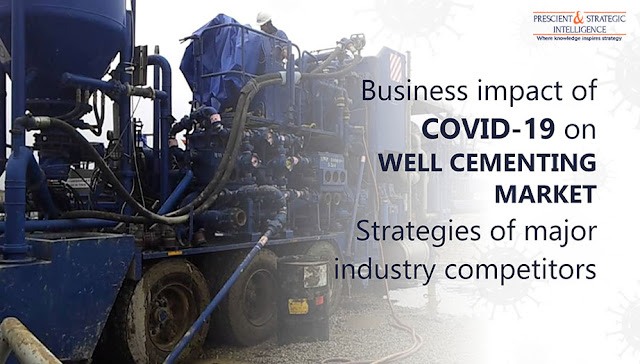
Well cementing refers to the service that helps in preventing the movement of fluid from the reservoir to the wellbore. Cementing of wells also supports and protects the well casing. Oilfield service companies offer well cementing services for completing new wells and sealing lost circulation areas or zones where there is an absence of fluid movement or less fluid flow within the well. These companies offer remedial, primary, and other services. 

As these services are primarily required in the well completion process, the surging number of well completions, primarily on account of the rising exploration and production (E&P) activities in conventional and unconventional gas and oil reserves, will drive the global well cementing market at a CAGR of 4.7% during the forecast period. The market value stood at $7,577.6 million in 2018, and it is projected to reach $10,065.4 million by 2024. Moreover, the soaring E&P investments in Russia, China, the U.S., and Brazil will augment the demand for well cementing services in the foreseeable future.

According to the market research company, P&S Intelligence, North America accounted for the largest share in the well cementing market in 2018. This can be credited to the huge investments made in the oil and gas sector, especially in well drilling for extracting shale gas in Canada and the U.S. Moreover, the strong influence of these countries over the oil and gas reserves of the Arctic region has supported the market growth in the region. As both nations have direct access to the Arctic Ocean, they are conducting extensive oil and gas E&P activities.  

Thus, the rising E&P activities and increasing exploration of oil and gas reserves, especially in the Arctic region will amplify the need for well cementing services all over the world in the coming years.

Source: www.psmarketresearch.com

Growing Electrical & Electronics Industry Aiding Graphene Industry Advance

Graphene is used during the manufacturing of hemoglobin-, cholesterol-, and glucose-measuring bioelectric sensory devices, owing to the fact that this material is thin and strong. Other application areas of the compound in the medical sector include cancer treatment, therapeutic tools, prosthetic devices, dental implants, and deoxyribonucleic acid (DNA) testing. Further, extensive research is being conducted to explore the usage of graphene nanomaterials, in combination with medications, vaccine carriers, and nano adjuvants, to enhance the efficiency of the human immune system.

Thus, propelled by the widening application area of the material in the medical industry, the global graphene market, which generated $87.5 million in 2019, is predicted to grow to $646.8 million by 2030. Additionally, between 2020 and 2030 (forecast period), the market is expected to witness a healthy CAGR of 20.2%.

Powder Form to Witness Fastest Growth during Forecast Period

The powder division would witness the fastest growth in the graphene market during the forecast period, at a CAGR of 20.6%. This is because of the high preference for this form of the compound in printing technologies, storage batteries, and sensors. Further, graphene powder can be handled more easily than dispersion and flakes, which also results in the higher consumption of the material in the form of powder.

Market Witnessing Numerous Mergers and Acquisitions

In recent times, the graphene market has been subject to a number of mergers and acquisitions, with companies stepping up efforts for mutual growth. For instance, in October 2018, Graphene Semiconductor Services Pvt. Ltd., which offers end-to-end semiconductors services from its head office in Bangalore, India, was acquired by L&T Technology services.

The major players in the graphene market are The Sixth Element (Changzhou) Materials Technology Co. Ltd., Garmor Inc.,2D Carbon Graphene Material Co. Ltd.,GRAFENTEK,Angstron Materials Inc., Ad-Nano Technologies Private Limited,Graphene 3D Lab,Aixtron AG,Graphene Leaders Canada, Deyangene Carbon Technology Co. Ltd., Graphene Square Inc.,Graphene-XT,AMO GmbH, Haydale Limited,Ningbo Moxi Technology Co. Ltd., Incubation Alliance Inc., Asbury Carbons Inc.,Jiangmen Daxing Knitting Co. Ltd., and Xiamen Knano Graphene Technology Co. Ltd.

Bismuth Nitrate: A Magic Compound Making Development of Potent Drugs Possible

According to a report by P&S Intelligence, the global market for bismuth nitrate is predicted to register significant growth in the years to come. The growth of the market can be owing to the rapid expansion of the pharmaceutical sector in the Asia-Pacific region (APAC), which, in turn, is due to the increasing research & development investments and rising consumption of medicated drugs with bismuth nitrate formulation. Moreover, various medical manufacturers are setting up their production facilities in China and India, which is also predicted to drive the market. 

On the basis of grade, the bismuth nitrate market is divided into, industrial grade, pharmaceutical grade, and others. Out of these, the highest CAGR is projected to be witnessed by the pharmaceutical grade division in the years to come, which is due to the high-volume consumption of bismuth nitrate in medicated drugs. The compound has the ability to prevent different sorts of kidney damage to patients during chemotherapies. Moreover, this compound is extensively utilized in drugs that are used for treating ulcers. 

When geographical scenario is considered, the APAC region is predicted to advance at the fastest pace in the coming years. This is because of the surging research & development investments and expansion of facilities of various large-scale drug manufacturers in the region, which need bismuth nitrate as a raw material. Furthermore, the growing number of cancer patients in the APAC region is also driving the demand for bismuth nitrate. 

The companies in the bismuth nitrate market are focusing on facility expansion and entering in strategic agreements with other companies for gaining a competitive edge in the industry. For example, The Shepherd Chemical Company announced regarding the expansion, of $8.5 million, of its Mirecourt, France European operation, in January 2019. The expansion is for upgrading existing R&D facilities and setting up new warehouses. In addition, a new reactor is also expected to be setup in the expanded facility for increasing the production capacity. 

Some other key players in the bismuth nitrate market are American Elements, Avantor Inc., Merck KGaA, GFS Chemicals Inc., Strem Chemicals Inc., Orrion Chemicals Bischem, Thermo Fischer Scientific Inc., Henan Coreychem Co. Ltd., and The Shepherd Chemical Company.

Chemical Companies Majorly Producing Levulinic Acid from Biofine Process

Currently, the global automotive industry is plagued by the issue of greenhouse gas (GHG) emissions, which are the key reasons behind air pollution, ozone depletion, global warming, and climate change. As a result, countries around the world have implemented stringent regulations to control the expulsion of GHGs into the atmosphere. Many of these regulations, including the Tier 4 Emissions Standards of the U.S., Euro VI regulations of the European Union (EU), and Bharat Stage VI (BS6) regulations of India, mandate the usage of cleaner fuels.

As a result of the widespread concerns regarding air pollution, P&S Intelligence expects the market for levulinic acid to grow from $27.2 million in 2019 to $60.2 million by 2030, at an 8.8% CAGR between 2020 and 2030 (forecast period). This is because the derivatives of this acid, particularly ethyl levulinate, is used as a fuel additive to lower the amount of sulphur emissions from diesel. Around the world, most commercial vehicles, including buses and trucks, run on diesel, which is why a reduction in their emissions has become paramount.

During the historical period (2014–2019), North America dominated the levulinic acid market, on account of the increasing demand for its derivatives for the manufacturing of agricultural chemicals, fuel additives, and personal care products. Currently, almost all of the rail freight and passenger traffic in Canada and the U.S. moves on diesel traction, which is why the need to reduce GHG emissions from this sector is quite strong in the region. Moreover, the countries are o home to a large trucking and logistics industry, which is also majorly fueled by diesel.

In the years to come, the demand for such chemicals will rise the fastest in the Asia-Pacific (APAC) region. This would be a result of the growing personal care and agriculture sectors in emerging economies, including India, Vietnam, Indonesia, Malaysia, Thailand, and China. Moreover, China and India are two of the most-polluted countries on earth, which is why the government here has implemented strict regulations for reducing the amount of GHG emissions from on-road and non-road engines.

Hence, with the expansion of the end-use industries, the demand for various derivatives of levulinic acid will increase.

Source: www.psmarketresearch.com

Sales of Corrugated Boxes Set to Boom in Asia-Pacific in Coming Years

With the expansion of the packaging industry, the demand for corrugated boxes is growing rapidly across the world. As per Interpack Emerging Market Outlook, the valuation of the global packaging industry was $839 billion in 2015. The ballooning requirement for manufactured goods such as television sets, smartphones, and consumable items like candies is pushing up the demand for corrugated boxes, on account of the fact that these boxes have very high structural strength and are highly resistant. 

Furthermore, the value of the packaging industry grew to over $900 billion in 2019, on account of the rise in the popularity of online shopping and on-demand delivery services. Moreover, it is currently exhibiting rapid expansion, in spite of the ongoing COVID pandemic. Corrugated boxes are widely used for shipping applications as they are stronger than the traditionally used cardboard box packaging and are highly pressure-resistant. Moreover, corrugated boxes are extensively used for transporting fragile and heavy consumer goods. 

This is, in turn, driving the progress of the global corrugated boxes market. As a result, the valuation of the market will rise from $180.9 billion in 2019 to $284.6 billion by 2030. Furthermore, the market is predicted to demonstrate a CAGR of 4.3% between 2020 and 2030. The most widely used types of corrugated boxes are slotted, telescope, rigid, and folder. Amongst these, the demand for telescope boxes will rise rapidly all over the world in the coming years.

Geographically, the corrugated boxes market will exhibit the fastest and the highest growth in the Asia-Pacific region in the forthcoming years, as per the forecast of P&S Intelligence, a market research company based in India. This will be because of the growing public awareness about environmental protection, the increasing requirement for sustainable packaging, the surge in e-commerce activities, and the burgeoning requirement for personal care products and electronic goods in the region.

Hence, it can be said with full confidence that the sales of corrugated boxes will rise enormously all over the world in the future years, primarily because of the expansion of the e-commerce and packaging industries across the globe.

Demand for Metal Finishing Equipment Exploding in APAC

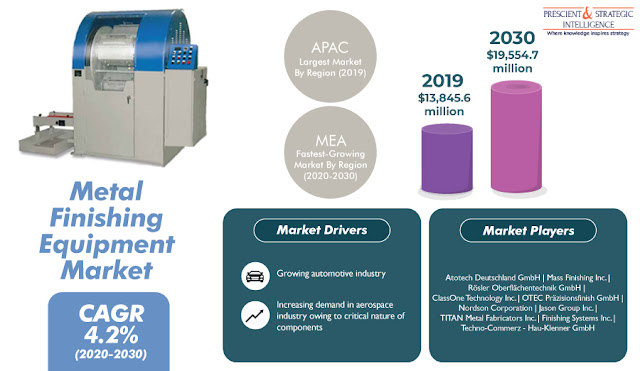
With the expansion of the automotive industry, the demand for metal finishing equipment is surging sharply across the world. The ballooning sales of automobiles, especially in the emerging economies such as India, Mexico, Indonesia, and China, is one of the major factors responsible for the boom in the automotive industry. Metal finishing equipment are heavily used for protecting automotive components such as power steering systems, under-the-hood components, and air conditioning components from corrosion.

This is why the mushrooming sales of vehicles are positively impacting the demand for metal finishing equipment across the world. Besides this, the surge in the aerospace industry is also fueling the demand for metal finishing equipment. Metal finishing equipment are being heavily used by many aircraft manufacturers for improving the quality and lifespan of aircraft components. Moreover, many international aviation safety organizations are making the usage of metal finishing equipment mandatory in aerospace components.

In various countries such as India and China, the increasing income levels and the surging disposable income of people are pushing up the sales of jewelry and consumer electronics. As metal finishing is required during the several manufacturing stages of these products, the mushrooming sales of these products are massively boosting the demand for metal finishing equipment across the world. This is, in turn, driving the progress of the global metal finishing equipment market. 

As a result, the valuation of the market is predicted to grow from $13,845.6 million in 2019 to $19,554.7 million by 2030. Furthermore, the market is predicted to advance at a CAGR of 4.2% between 2020 and 2030. Depending on process, the market is categorized into electropolishing, coating, conversion, galvanizing, electroplating, anodizing, electroless plating, cladding, and vibratory/mass finishing. Out of these, the electroplating category recorded the highest growth in the metal finishing equipment market during the last few years. 

This was because of the large-scale usage of the electroplating process in the electronics, metal fabrication, aerospace, and automotive industries. Across the globe, the metal finishing equipment market will demonstrate the fastest growth in the Asia-Pacific (APAC) region in the future years, as per the estimates of the market research company, P&S Intelligence. This will be because of the soaring investments being made by various multinational companies in the industrial sector in the region. 

Hence, it can be said with full surety that the demand for metal finishing equipment will skyrocket all over the world in the coming years, mainly because of its growing adoption in the aerospace, automotive, and consumer electronics industries.

Growing Popularity of Ready-To-Eat Foods Augmenting Demand for Sorbic Acid

With the growing popularity of ready-to-eat food items, on account of the changing food consumption patterns in several countries, the demand for food preservatives is growing rapidly all over the world. This is, in turn, pushing up the demand for sorbic acid, as it is extensively used as a food preservative, because of its ability to inhibit the growth of mold and fungi, that may spoil and contaminate the food items, efficiently. 

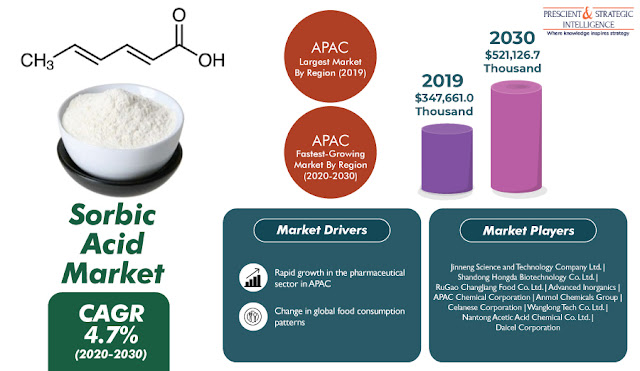
Moreover, sorbic acid does not affect the flavor of the final product, which further boosts its popularity as a food preservative in foods such as cheeses, fresh produce, refrigerated meats, baked products, and wines. Apart from this factor, the rapid expansion of the pharmaceutical industry, especially in the Asia-Pacific (APAC) region, is also positively impacting the demand for sorbic acid across the world. The compound is heavily used as an antimicrobial preservative in this industry.

Furthermore, the region’s healthcare expenditure is predicted to grow to $2.4 trillion by 2022. Because of these factors, the sales of sorbic acid are rising sharply all over the world, which is, in turn, propelling the expansion of the global sorbic acid market. The valuation of the market is predicted to grow from $347,661.0 thousand in 2019 to $521,126.7 thousand by 2030. The market is also predicted to advance at a CAGR of 4.7% between 2020 and 2030.

Hence, it is safe to say that the demand for sorbic acid will shoot up all over the world in the coming years, mainly because of the chemical’s growing usage as a food preservative. 

Key Findings of Global Sorbic Acid Market

Market not affected much by COVID-19 pandemic

Powdered form of sorbic acid more popular among users

Changing food habits driving sorbic acid consumption

APAC is best region for sorbic acid suppliers

Market highly consolidated

Chinese players account for majority of sorbic acid supply

How Is Automotive Sector Driving Polymer Market Growth?

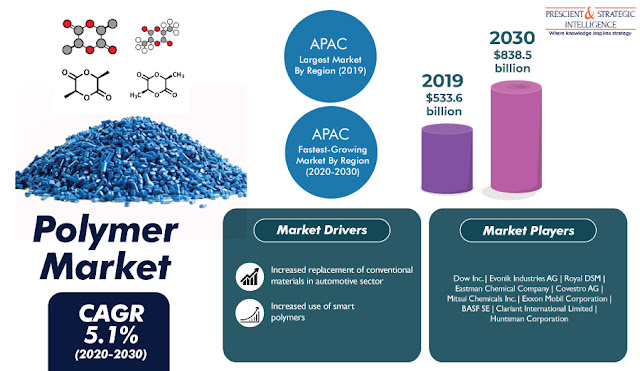
Due to a growing emphasis on a higher fuel economy, heavy materials, such as glass and metals, are being replaced by lighter variants, including polycarbonate (PC), in the automotive industry. As a result, the global polymer market size is expected to increase from $533.6 billion in 2019 to $838.5 billion by 2030, at a 5.1% CAGR between 2020 and 2030. This is because PC and other polymers have excellent electrical, mechanical, insulating, optical, and chemical properties, as well as a high strength-to-weight ratio and elasticity and corrosion resistance.

During the COVID-19 crisis, automotive plants across the world were shut down, in compliance with government mandates. This drastically reduced the demand for various raw materials, thus affecting the polymer market negatively. However, the demand for these materials in the food processing, packaging, pharmaceutical, and personal care sectors remained strong, as these industries are considered essential, therefore continued to operate during the pandemic.

Polymer Market Segmentation Analysis

The thermoplastics category, based on type, held the largest share in the polymer market in the past. The cost efficiency, high mechanical strength, and manufacturing ease of thermoplastics have made them vastly popular in the food packaging, construction, textile, automotive, and home appliance industries.

In the coming years, the polyethylene (PE) category, under the base material segment, will witness the highest value CAGR in the polymer market, of 5.6%. PE accounts for a high-volume consumption in the production of tubing products, packaging products, bottles, connectors, and plastic surgical implants, as a result of its high flexibility, stability, heat resistance, and impact resistance.

Major global polymer market players include Evonik Industries AG, Dow Inc., Eastman Chemical Company, Royal DSM, Mitsui Chemicals Inc., Covestro AG, BASF SE, Exxon Mobil Corporation, Huntsman Corporation, Clariant International Limited, Saudi Basic Industries Corporation (SABIC), and Sadara Chemical Company.

Source: www.psmarketresearch.com

Antimicrobial Additives Market To Demonstrate 7.4% CAGR during 2020–2030

The antimicrobial additives market stood at $1,753.2 million in 2019, and it is projected to reach $3,784.3 million by 2030, displaying a CAGR of 7.4% during the forecast period (2020–2030). This market thrives on the escalating threat of bio-resistance in patients owing to the intake of antibiotic drugs and surging incidence of pathogen transmission from human-to-human contact. Besides, the increasing awareness among customers regarding health issues and growing adoption of these additives in the food and beverages, aviation, healthcare, mining, packaging, and construction sectors will fuel the market growth.

The increasing consumer awareness about general hygiene and microbial spread will propel the demand for antimicrobial additives in the coming years. Thus, the large-scale consumption of these products in the medical sector will support the antimicrobial additives market growth. The increasing incidence of life-threatening ailments, such as COVID-19, and the constant threat of healthcare-associated infections (HAIs) have generated awareness among people regarding the causes and prevention of diseases. Therefore, the healthcare industry is developing products containing antimicrobial additives to prevent the spread of these diseases.

The administration of novel technologies, accessories, and drugs and consumption of antimicrobial additives will draft a technological shift in this sector, thereby reflecting antimicrobial additives market advance. The World Health Organization (WHO) propounds that the application of these additives should be increased in the healthcare industry, as the provision of conventional antimicrobial treatments is a time taking process. The decisions for antimicrobial treatments in medical facilities are made by healthcare professionals and patients, which consumes time and often poses health risks from viral, fungal, parasitic, and bacterial infections.

Another key driver for the market is the threat of bio-resistance in patients due to antibiotic treatments. People are prescribed antibiotics for as simple and harmless a condition as a rhinovirus infection (common cold). With the repeated usage of such drugs, the microbes develop immunity to them, and more-virulent forms of infections strike people. Therefore, to counter this threat, a lot of everyday-use and medical products are being integrated with antimicrobial additives, so that pathogen transmission can be prevented at the source and requirement for antibiotics reduced.

In 2019, North America dominated the antimicrobial additives market, owing to the existence of key market players, expansion of end-use industries, and high awareness regarding the advantages of such chemicals. Additionally, the increasing government support for research and development (R&D) in the field has also contributed to the growth of the regional market. The Asia-Pacific (APAC) market is expected to witness the fastest growth during the forecast period. This can be majorly attributed to the continuous advancements in technology and high-volume production of healthcare, construction, packaging, and food and beverage products.

Thus, the rising awareness about health issues and increasing production of medical devices and equipment will fuel the market growth in the foreseeable future.

Source: www.psmarketresearch.com

How Will Scarcity of Lithium Boost Lithium-Ion Battery Recycling Market?

Growth factors like finite resources of lithium and rising preference for electric vehicles (EVs) are projected to propel the lithium-ion battery recycling market growth, with a CAGR of 18.3%, during the forecast period (2020–2030). In addition to the limited amount of lithium, along with mining leads to water pollution due to leakage of chemicals in water sources, recycling of battery is becoming prevalent as there is no alternative substance that has functional characteristics like lithium.

Another factor behind the growth of the lithium-ion battery recycling market is increasing use of lithium-based energy storage devices in laptops, tablets, and mobile phones. Widening application of lithium batteries in the electrical and electronics industry offers a lucrative opportunity for the recycling market. Moreover, finite resources of lithium are insufficient for meeting the demand for storage devices from the consumer electronics sector. Therefore, to cater to the expanding electrical and electronics sector, recycling of lithium will increase during the forecast period.

Globally, the Asia-Pacific (APAC) lithium-ion battery recycling market will account for the largest share in coming years, due to the surging popularity of EVs in Indonesia, China, the Philippines, and Vietnam. Further, the presence of some of the major players in the region will add to the revenue share of the regional market. Their presence leads to the easy availability of salvaged materials like lithium, cobalt, nickel, and manganese. Additionally, the expanding electrical and electronics sector in APAC will propel the growth of the market during the forecast period.

Similarly, in March 2020, BASF SE, Nornickel, and Fortum Oyj came together to establish a lithium-ion battery recycling cluster in Harjavalta, Finland, to adhere to the increasing demand for energy storage devices from the automobile industry. Some of the other players in the industry include TOXCO Inc., G&P Batteries, JX Nippon Mining & Metals Corp., Ganfeng Lithium Co. Ltd., TES (Singapore) Pte Ltd., Shenzhen Green Eco-Manufacturer Hi-Tech Co. Ltd., Glencore plc., and Foshan Nanhai Brunp Nickel & Cobalt Technology Co. Ltd.

Thus, the scarcity of resources of lithium will lead to an increase in recycling of the metal that will further drive the market growth in future.